Fishing in New York

New York may not seem the obvious place to indulge the pastoral pastime of fishing, but then it isn’t a city known for following the rules. Taken from Issue 20, our special issue on the city
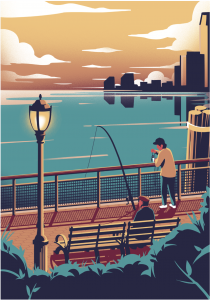
Illustration by Eric Chow

The New York angler may be the most misunderstood outdoorsman of them all, because what could be more vile than someone who fishes in the dark polluted waters of New York?

Live here long enough and you’ll see us, perched along the East River, or in Sheepshead Bay, using shrimp or clam as bait, waiting for our hooks to set, and avoiding irritation from the city dwellers who inevitably stop to ask:

“You really go fishing in this water?”

“Do you eat what you catch?”

“Ever caught a body part?”

“Can I take your picture?”

My answer to #3 is No: although I have caught mattress chunks and human hair. But the questions are eye-roll inducing because we’re well aware that fishing in New York is not the same as casting for trout in the crystalline streams of a freshwater river. But like many aspects of New York, from sunbathing on its sooty beaches to playing catch in wilting parks, fishing is an exercise in compromise, and one with an idiosyncratic culture all of its own.

I started fishing around the city last summer when I moved to Chinatown and noticed a local angling community. Men pedalled around the neighbourhood on bikes equipped with fishing rods and tackle boxes, and they pedalled back home with plastic bags containing thrashing fish. The fish were caught from the East River – possibly the filthiest New York waterway of them all – where the men would post up with cigarettes and reel in striped bass, blackfish, bluefish, sea robins and writhing eels. I’d enjoyed fishing in the past, so I decided that with an open mind, I could give it a shot.

I bought my first rod from an aquarium supply store on Delancey Street that maintains a small bait and tackle operation behind its counter front. I got lucky with my first cast into the river. After reeling in the hard bite, the striped bass hit the concrete, instantly collecting street dirt. An old man rushed to my aid. A paper bag was produced and the fish slipped inside. I let him keep it. A local jab at Chinatown’s fish markets is that certain specimens probably come from the brackish waters just a few blocks away.

Some New Yorkers eat fish that comes from city waters. Bottom feeders like eel, sea robin and flounder are found all around New York Bay, and it probably isn’t wise to eat them, but it happens. On the other hand, one of the most prized eating fish in North America, the striped bass, is found in the same waters.

Stripers are prized for their fight and their taste, and they engage in an annual spring run up the Hudson River, considered one of the great migrations of the East Coast. It starts in Lower New York Bay, near the financial district, and makes its way up the Hudson, where it eventually concludes in the northern reaches of the state. At peak, the rush of fish is so intense that one can cast a hook just about anywhere and land a striper. From spring until late summer, a striper caught near the World Trade Center could be the same striper caught off flashy East Hampton, where it would be served for $50 with a squeeze of lemon. Try explaining this to a fellow New Yorker, however, and you’ll get concerned stares. (I don’t eat city fish, and practice catch-and-release.)

For all the indignities that city anglers endure, like crowds watching them reel in what ends up being a car tyre, there are moments that transcend the concrete.

The best-known fisherman in my neighbourhood may be a man I call Prescription Bottle Tony. He’s in his 80s, his name is Tony, and he uses a prescription bottle wrapped in monofilament line as a rod. A metal washer on the line serves as a weight, and clam is his bait of preference. On summer afternoons, I fished with him, and, as he jigged on the prescription bottle’s line, he told me what it was like fighting in the Korean War.

Another afternoon, seagulls started feasting on the waters just off Catherine Street. This is a good sign because it means a school of fish has arrived, which means large apex predators – like big striped bass – are lying nearby in wait. Practically everyone caught something that day, including an old Greek man who spoke no English and watched from afar with envy. Eventually, I invited him to join me and we traded casts for over an hour without exchanging a word. Later, we reeled in a plump striped bass as the sun started to set.

Battery Park, at the foot of Manhattan, has one of the most popular fishing sites in the city, because its waters are closest to the Atlantic. This boulevard of park benches is crowded with boom boxes playing Cuban jazz and men chomping cigars. One afternoon, I sat on the moorings and dangled my legs over the water. I held my rod loosely, lost in the vast expanse of ocean ahead of me. After a while, it was easy to forget a metropolis was behind me at all. I caught nothing that afternoon, but it didn’t bother me.

Inevitably, you become an advocate for the maligned hobby, and you find that the stereotypes of fishing still ring true in New York. Even below skyscrapers, fishermen stretch yarns about the size of their fish, they swear by lucky lures, and they guard locations of fishing holes closely. I didn’t think I’d adopt any of these clichés, but I picked up all of them, including an urban fishing hole of my own.
As the season started to wind down, my friend Sam and I went to Staten Island. We took the ferry from Manhattan, armed with our rods, and visited Liedy’s on arriving, which is the oldest bar on the island. I asked the owner if he had any suggestions on where to fish. He divulged we should try the waters behind a lonely gas station two miles down the road.

It was a scene of dilapidation. Old warped train tracks ran behind the gas station, and past them, a pebble beach littered with trash. The Manhattan skyline loomed quiet and small in the distance. We followed the warped track until we encountered a rocky chasm. A concrete structure stood in the waters and a creaky plank led to it.

We crossed carefully and then made ourselves at home, setting up sandwiches and beers. A group of striped bass fed right below us. We spent an hour trying to game them with our bait. Large oil tankers rolled past and a full moon started to glow. After a while, it became bright and huge. I stopped caring about the fish, and started casting out over and over again as far as I could, just for the joy of it.
 

Common Place

In his ongoing series, Scott Rossi highlights the importance of public space for building community

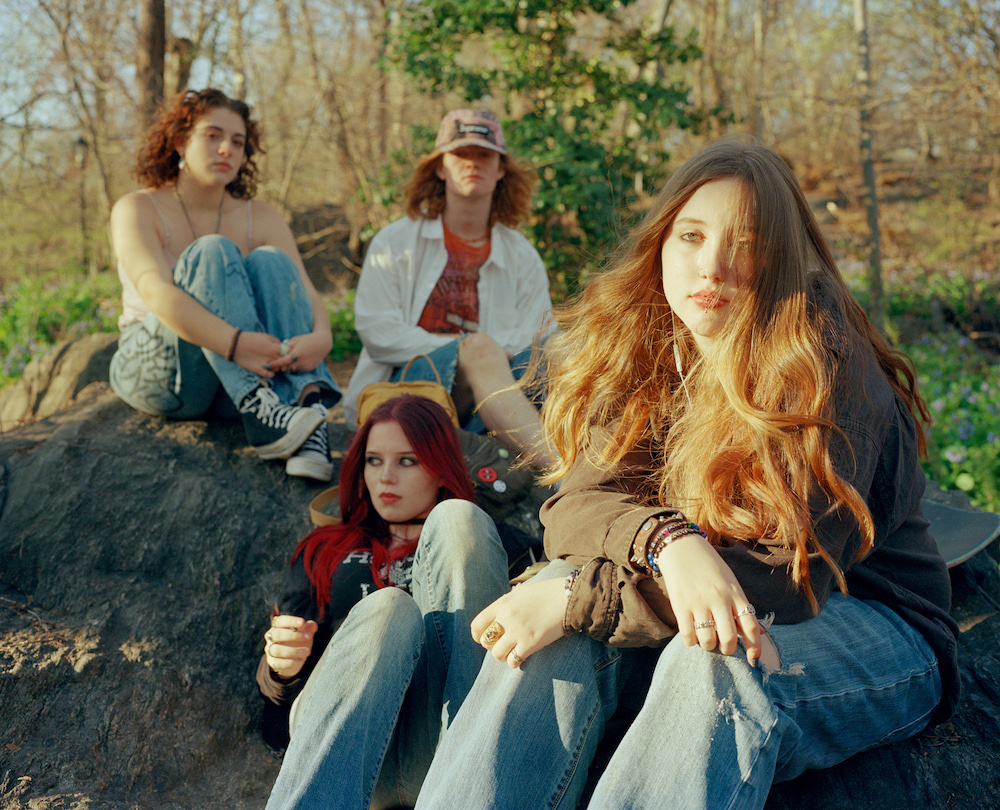
Lily, Reef, Kane, and Luci, Central Park, New York, USA 2022

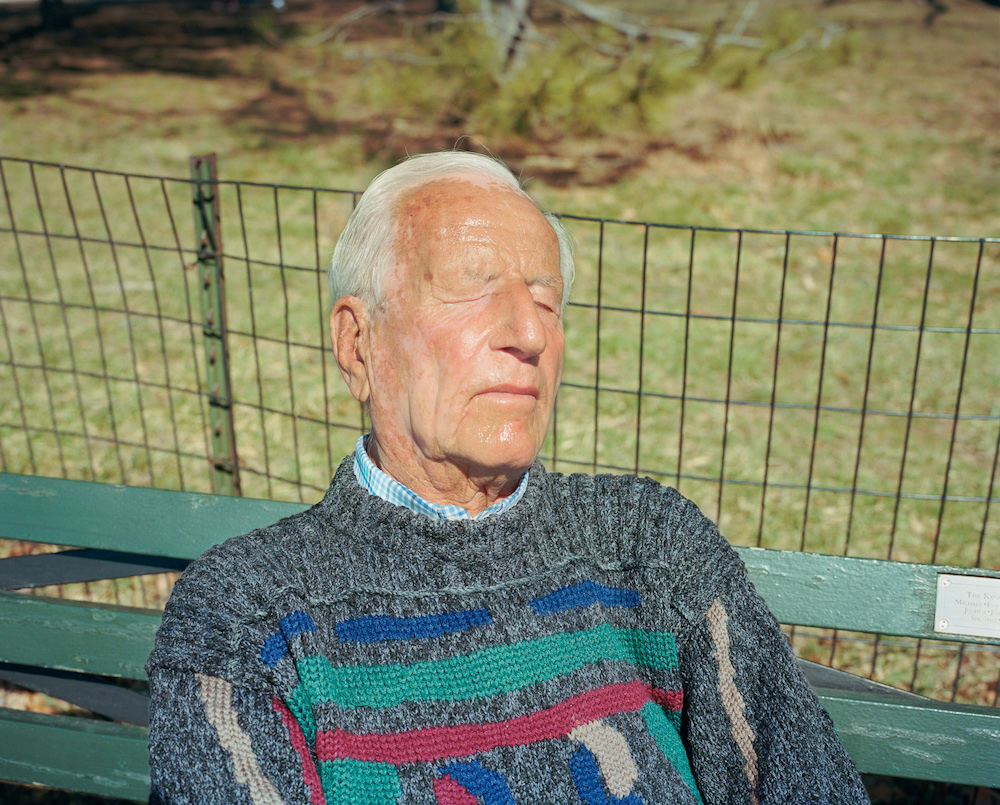
Capturing the world around you is one thing, yet doing so in a way that’s not only mesmerising and memorable but also rich in context and history is another. Scott Rossi, a Canadian photographer based in New York, does this utterly well in his photography work. With an ability to lens the moments of daily life around him, Scott draws from the quieter parts – those that are smaller and often missed to the untrained eye – to build stories about the people of the world. In this regard, subcultures and public spaces are the two key pillars to his practice, which have naturally informed his latest series, Common Place. A project that commenced during the pandemic while out and about on his daily walks, Scott set out to photograph the local community in Central Park and their relationship to the natural world. Below, Scott tells me more about the series and the importance of public space – a relationship that will continue in the future.

Untitled, Central Park, New York, USA, 2021

What’s your journey into photography like?

I grew up in the suburbs of Vancouver, B.C. When I was five years old, my father arrived home one evening with a go-kart. I spent the next 13 years racing go-karts around the world, from British Columbia to the streets of Monte Carlo. 

Photography was not always on the cards for me. After my dreams of becoming a professional race-car driver were over, I studied Psychology at university. I only began taking photographs in my final year by chance. In that elective photography course, my professor introduced me to the work of Garry Winogrand and Joel Meyerowitz, which derailed my plans. I couldn’t shake photography away. It gave me a new purpose. I spent the next two years primarily photographing my surroundings without much intent or reasoning behind my actions. I simply wanted to capture beautiful, fleeting moments. 

In 2018, I started making long-form projects. In them, I discovered the power of visual storytelling. I began to value not just the results, but the process of engaging with my subjects, establishing an intent to the work that previously lacked. In the first two projects I worked on, Burned Out (2018-19) and Jazz House (2018-20), I documented coming-of-age stories. Whereas Common Place (2021), which I began shortly after moving to New York City, explores the history of Central Park and the relationship between New Yorkers and the public space in the context of a global pandemic. 

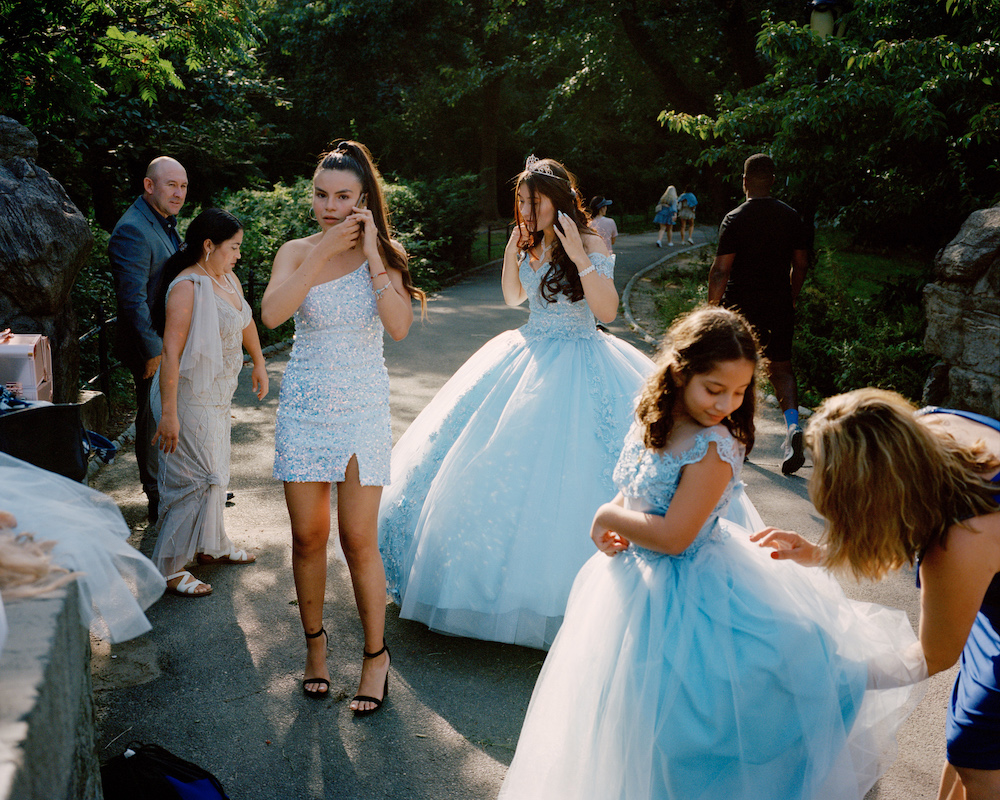
Quinceañera, Central Park, New York, 2021.

What inspired you to start working on Common Place, what stories are you hoping to share?

In Vancouver I was surrounded by nature. After I arrived in New York City, in the height of the pandemic in 2020, I began to miss nature and felt lost and uninspired, so I started going on long walks through Central Park. I began photographing during those walks with a point-and-shoot camera. I was studying at ICP at the time, and I thought this point-and-shoot idea would be a good side project to my thesis, which was still undecided. Eventually, I realised the side project was worthy of the main thesis idea. I bought a new pair of shoes, switched to a medium format camera, and began photographing Central Park every day. I hoped to share the stories of the people I met there through photographs. 

The work highlights the importance of public spaces, especially in a city like New York, for the overall wellbeing of its people. This city and Central Park, have a complicated but also rich history. Today, despite its history, I think the Park is seen as a sanctuary and a place to be yourself and I hope that comes through in my photos.  

South of Sheep Meadow, Central Park, New York, 2021.

Who are your subjects? Did you spend much time getting to know them?

I meet all my subjects while wandering around the park and typically photograph them as they were. It is that level of comfort and intimacy that piques my interest in the first place. Most of my subjects happened to be New Yorkers, with a few exceptions. 

How long I spent with them really depended on the person. With some people we would spend hours talking, while others gave me only five minutes. Regardless of how long, I was always transparent about what I was doing.

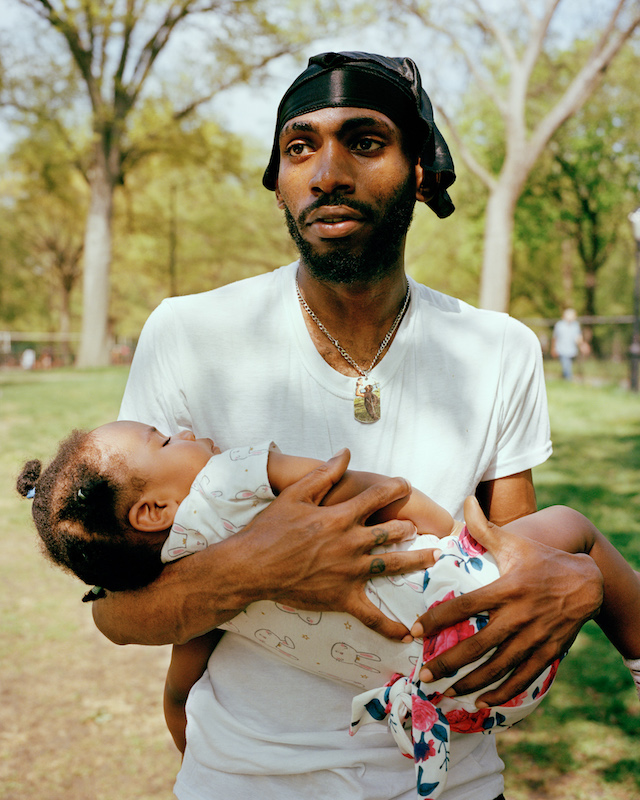
Aaron and Eralissa, Central Park, New York, 2021.

Can you share any personal favourites from the series?

Aaron holding his baby daughter Eralissa has always been a favorite. There is subtext in this image, but for me, the cutest part is thim holding his daughter on his dog tag necklace. Once I noticed that, my heart melted. 

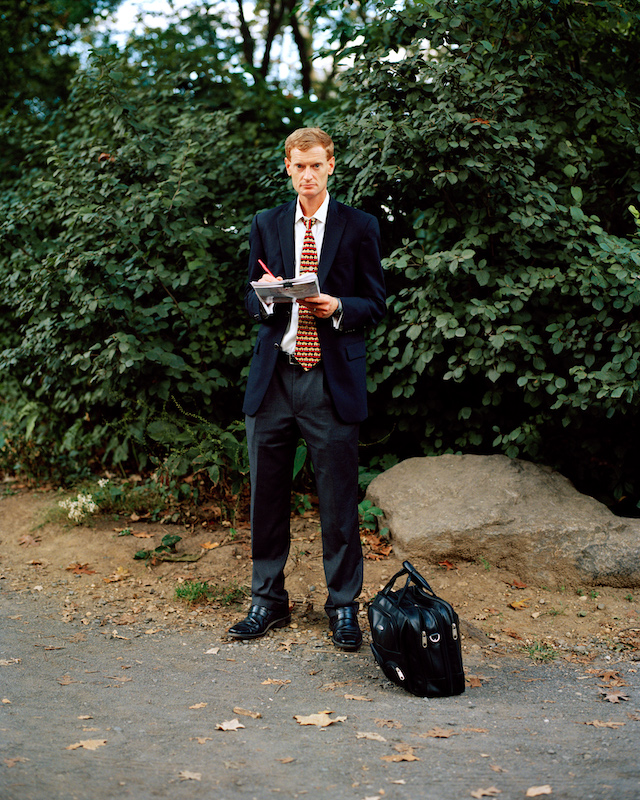
Then of course, Dave. He is a Latin professor and track and field coach at an Upper East Side high school. I think it’s his oversized tie and baggy suit that made it all come together so well, along with the fact that he is marking student’s papers while they run laps around the reservoir. 

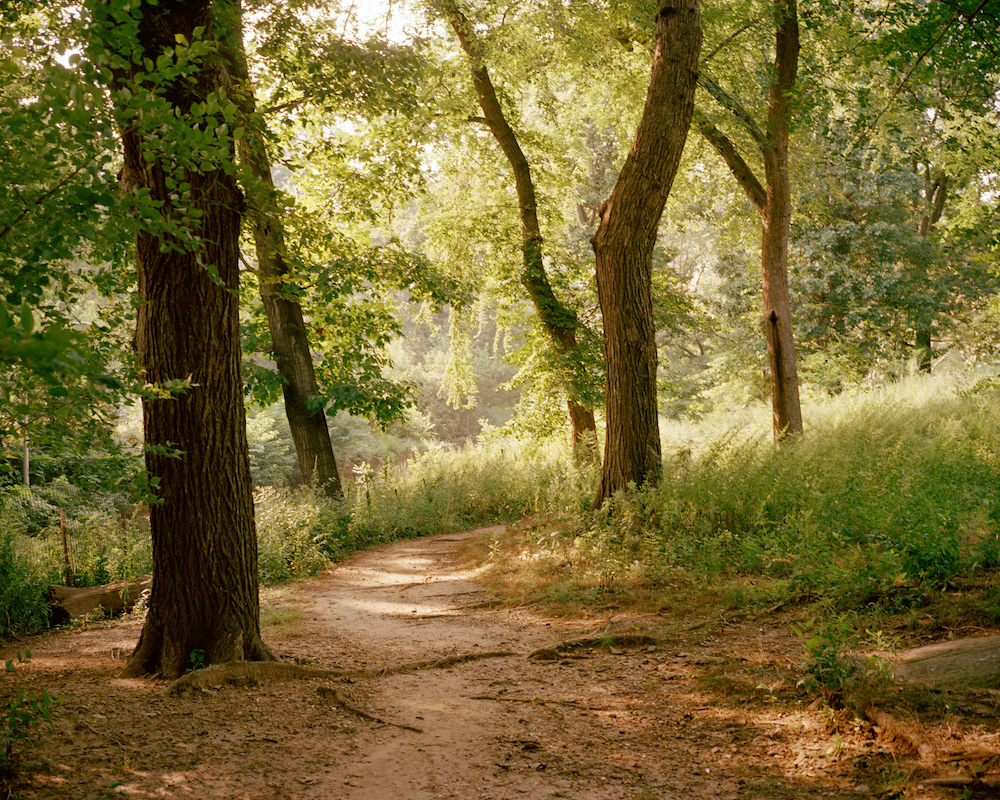
A third favourite of mine is the trees with afternoon light passing through. This is exactly how I feel about Central Park. It has been my home away from home. I feel a warmth when I am there and am constantly “invited” down new pathways. This picture, with the pathway leading us into it, invites the viewer. 

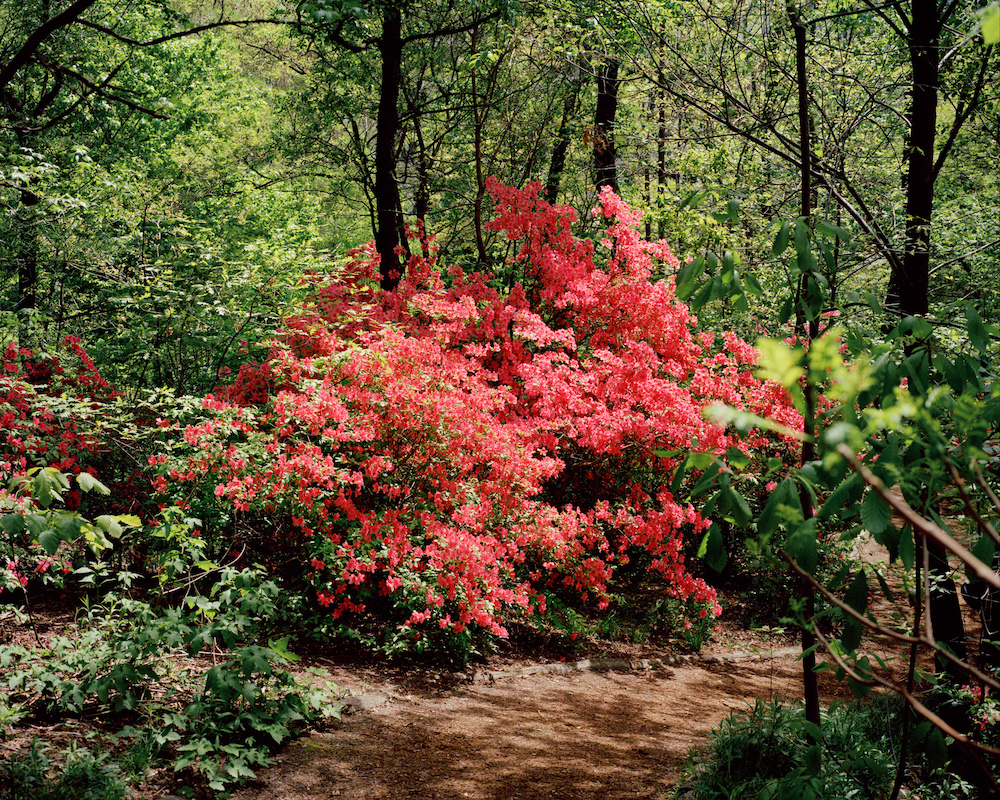
Spring Bloom, Central Park, New York, 2021.

How do you hope your audience will respond to this project?

I hope people feel something when they look at the images. Whether they feel love, hope, or sadness, it doesn’t really matter. I just hope people feel something. As with all photography, for me, an emotional response is the most important.

Untitled, Central Park, New York, USA, 2021

Dave, Central Park, New York, USA, 2021

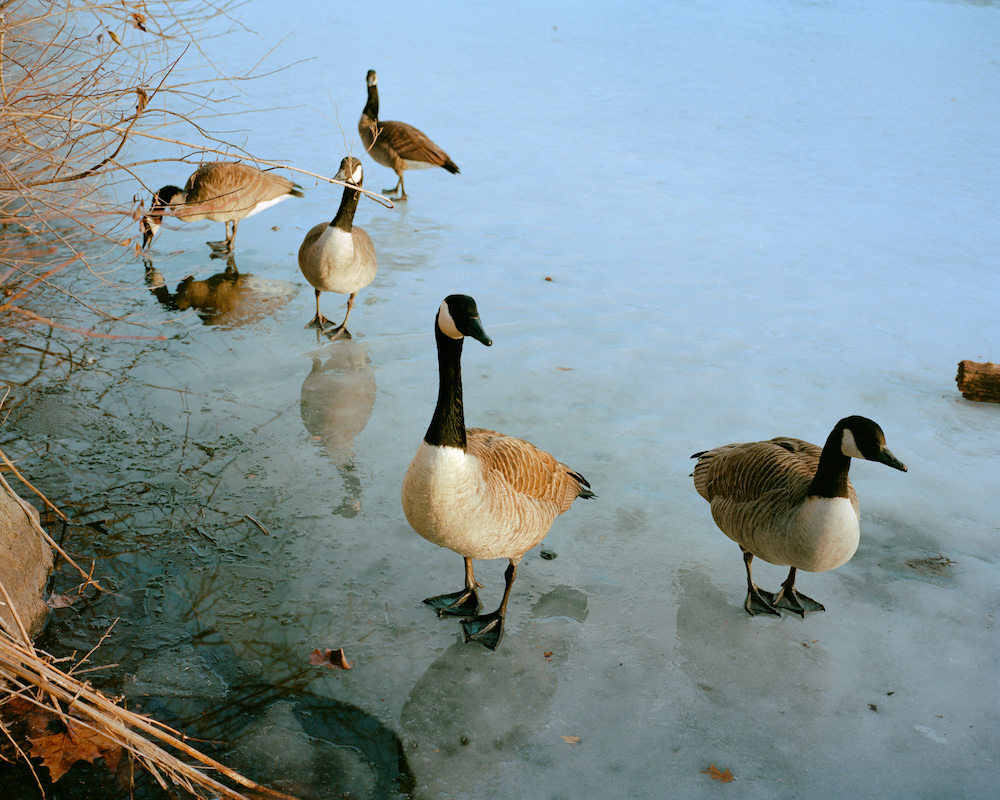
Geese, Central Park, New York, 2021.

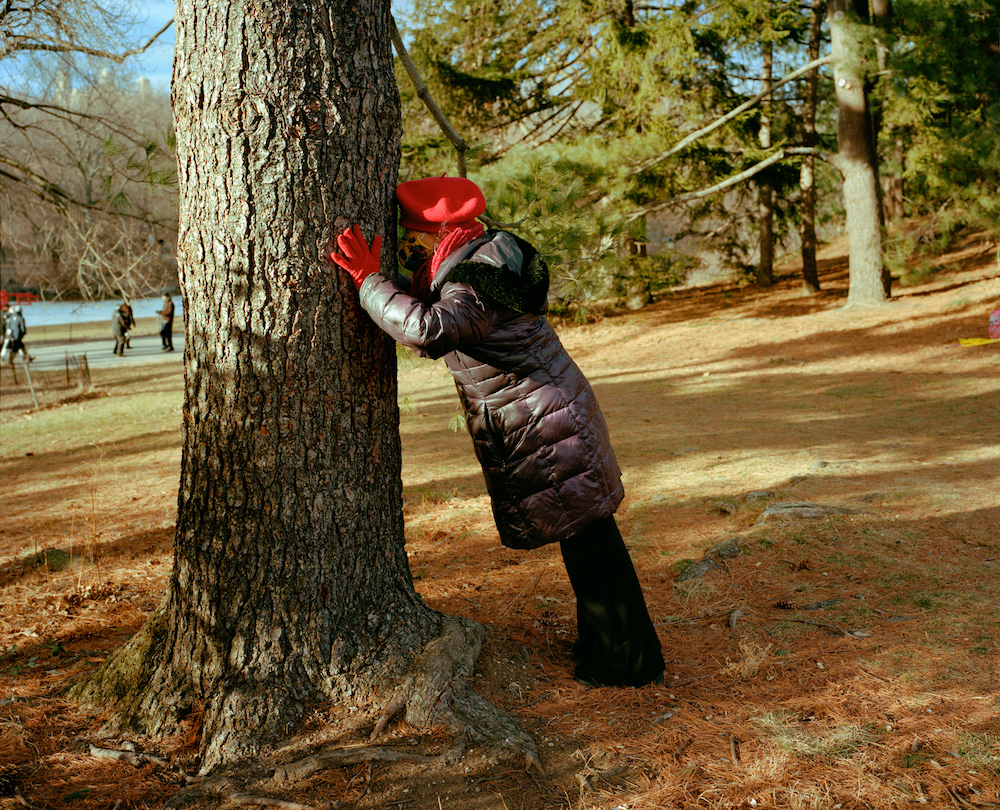
Untitled, Central Park, New York, USA, 2021

Geoffrey Leung: Utah

On the road with his father, the photographer documents the rocky landscapes and sprawling hillsides of the mountain state

Cloud, uncropped © Geoffrey Leung

The road trip never ceases in becoming a muse for photographers. For Geoffrey Leung, a photographer born in Saint Paul, Minneapolis, he recently satisfied an itch to visit Utah’s National Parks with his father by means of the car. Resultantly, he birthed a documentary series capturing the mountainous landscapes, rocky hillsides and creeping fauna of the American state. “Seeing Utah’s National Parks was the reason for this road trip and the photos that came from it were incidental to the good fortune I had to spend time with my father as an adult,” he shares. “It feels vulnerable for me, but it’s a story about heritage and habit.”

Growing up in what he deems a “great place” with top tier photography in the area, Geoffrey was influenced by his “practical” parents and was particularly good at maths. More in the way of academia, it wasn’t until around 2018 that he started picking up a camera seriously. “Up until then I was another liberal arts grad (Carleton) playing at being a professional,” he adds. Now based in New York, the photographer has rooted himself in the medium of image-making, to such lengths that his portfolio encompasses all sorts from motion to videography, personal series to commissions. All of which is influenced by the “sacrifice” of his practical parents, and their parents before them, as well as the essays from Susan Sontag, words from John Berger and many others who “take risks and are afraid to follow their gut but still do both anyways”. And Prince, of course.

Sharing a view © Geoffrey Leung

So when it came to Geoffrey’s own excursion across the desert roads of Utah – with his father by his side – he proceeded to create something that was immensely personal to them both. Not least a risk of their own as they ventured into the unknown. Although the road trip isn’t a new or surprising subject matter, to Geoffrey (and his father), it’s a narrative that they hold closely. “I think that doesn’t make this story unique, but the more personal the photos are, the more relatable they may be,” he says. Taking a picture is more like an experience for Geoffrey, who marks the process as an “interruption of experience”. Whether it be formulated in the studio or on the road, each picture crafted through the eye of this photographer is one that’s been created with rawness, care and love. “I want to photograph instinctually to avoid thinking about a moment, or worse, changing it,” he adds. “The story can only be true if I did not really influence its capturing.” In this regard, the longer he spends with a subject, the more he’s able to learn and “deeply see” about their character and being. “Experiencing something beyond its physical appeal is necessary for conveying anything beyond aesthetics.”

Pastoral 1 © Geoffrey Leung

Pastoral 2 © Geoffrey Leung

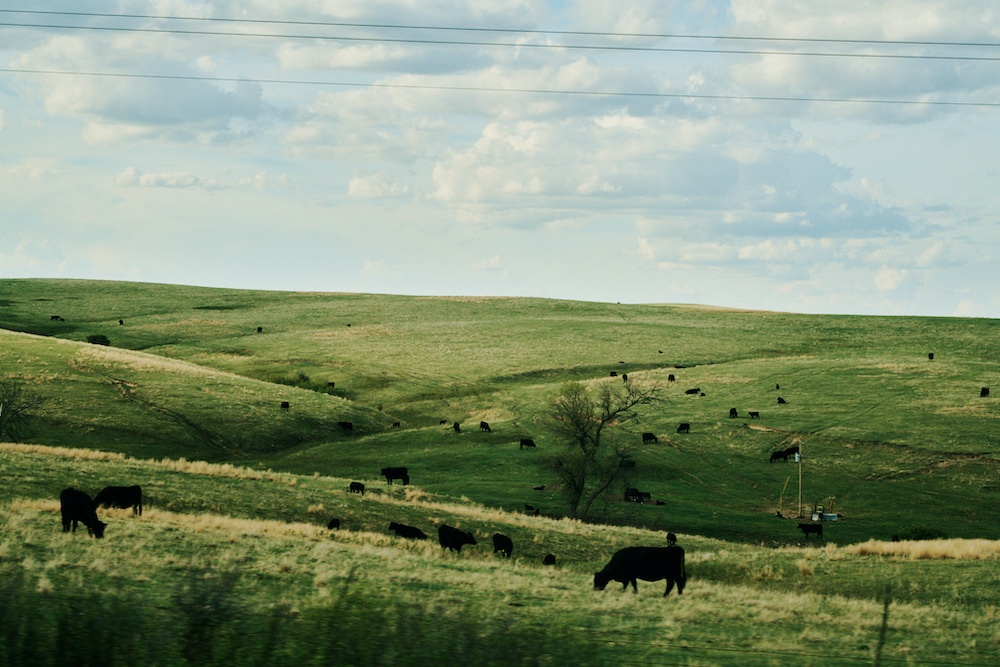
Speaking of some favourite moments from the trip, Geoffrey points us in the direction of two photographs : “one with people spreading across a rocky outlook, one of cows grazing in a green field.” Both are luminous in their depictions of greenery, emphasised by the photographer’s decision to up the contrast and focus on the finer details. But, there’s more to these works that beautiful landscapes. “I’m not saying that people are like cows, but it is a funny trickery of language that one might consider,” he explains. In another entitled Sharing a View, Geoffrey has captured his father standing on the popular Zion hike. “This is the only frame I made of this moment,” he says. “But it expresses his youthful side, which I have never really known since he’s been a parent as long as I’ve been alive.”

Not only does Utah depict the wild and uninhibited lands of the the Mountain West state – where bushes grow free and water is somewhat scarce – it also portrays the relationship between two kins, a father and son. Geoffrey plans to turn the work into a book and will continue to build on this “instinctual experience” found in his photography practice. “One of my lifelong photographic goals is to make the women in my life feel beautiful, so I’m working on that too.”

Family friend’s end table © Geoffrey Leung

Famous for its pies © Geoffrey Leung

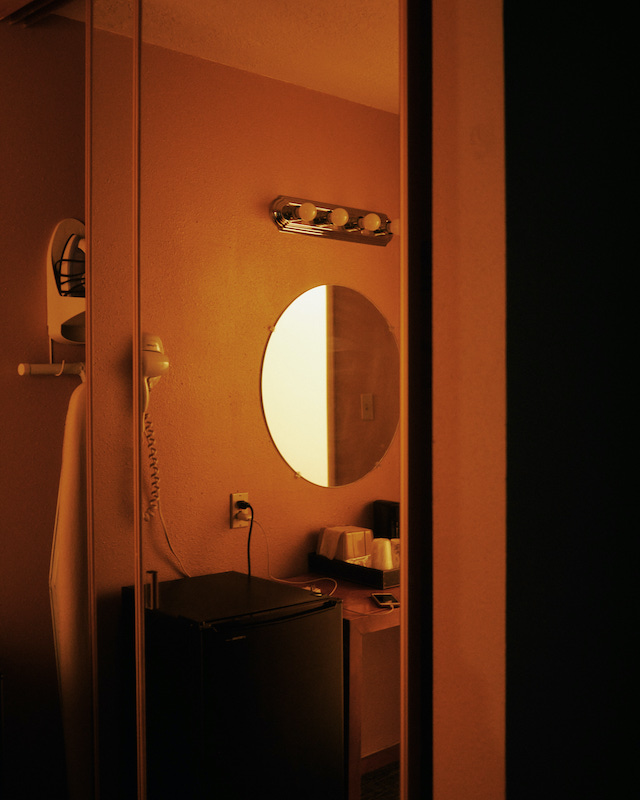
Motel objects © Geoffrey Leung

Our van leaving Zion © Geoffrey Leung

Sioux city diner © Geoffrey Leung

Utah campsite © Geoffrey Leung

Badlands © Geoffrey Leung

A Certain Movement

Soft and meditative, Sam Laughlin captures the ebb and flow of the natural world

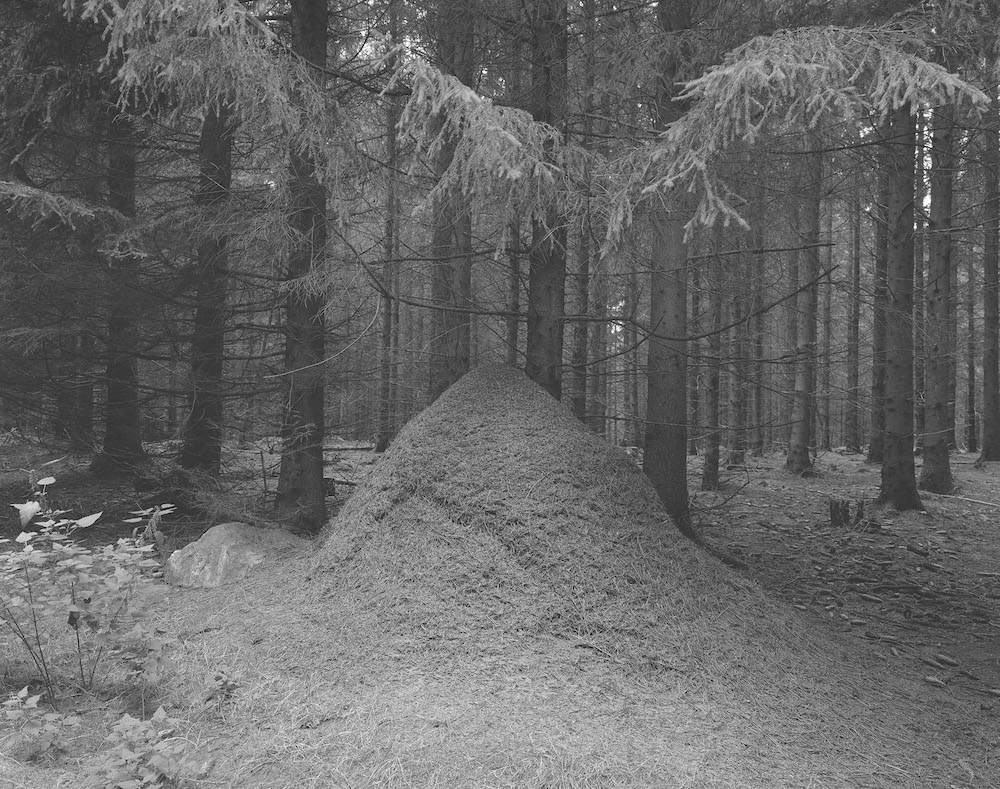
Wood Ants (Formica rufa), 2017 ©Sam Laughlin

It’s not uncommon to hear of an artist’s key influence as being that of a parent or familial figure. Growing up, Sam Laughlin’s father, a zoologist, would hand over an abundance of field guides for him to look at – Sam would sink into the contents, memorise the illustrations, and identify the different species of insects in the process. His dad would also joyfully spout out many interesting facts about the natural world which, inevitably, had a large impact on Sam – later inspiring him to study documentary photography at university. What’s somewhat surprising, though, is that although nature has been a primary pillar for Sam, it wasn’t until 2014 that he started working creatively in this field. “I found my way back to that childhood fascination through books and walking,” he tells me, “and my work quickly followed suit. Now, I can’t imagine my life without walking and birdwatching.”

Alongside various photography commissions, Sam pays extra attention to his personal work – the side of his practice that enables him to explore his deep-rooted interests in nature. He also cites The Jerwood/Photoworks awards as being hugely catalytic for his photography, which is how he debuted his most recent accomplishment: a project named A Certain Movement. Lensing topics of the environment and how animals interact with the space, the work is a quiet, meditative depiction of the world, albeit a curious contemplation of the cyclical nature of earth and its inhabitants – the type of relationship that’s in a constant rhythm, flow and movement. Currently on show at Serchia Gallery in Bristol, I chat to Sam about the project, what his personal relationship is like with the environment, and why it’s such nature has become such an enduring muse.

Adders basking (Vipera berus), 2017 ©Sam Laughlin

How would you describe your own personal relationship with the environment?

My personal relationship with the environment is probably a blend of love, fascination and obsession. Some of the experiences I’ve been lucky enough to have border on the ‘religious’, like listening to a dozen nightingales singing in the dead of night last week, or standing in a vortex of 5,000 terns forced into flight by a peregrine falcon. These are just some of the ‘happenings’ in nature that go beyond words and enter the realm of the profound. The world is – for now and despite us – still full of such happenings and most go unseen. I think essentially I walk around in awe half the time, simply because I always try to be receptive to what’s happening around me day-to-day, particularly in relation to birds. Incredible things happen all the time which it seems most people miss entirely.

Nature is an enduring subject for me because my fascination only deepens the more I discover and experience it. But the word ‘subject’ is slightly problematic for me; I take great pains not to turn nature into a ‘subject’, but rather try to let things speak for themselves through my pictures. 

I continue to focus on it out of love, but also concern, at the rate of disappearance and decline – the ‘thinning out’. 

Deer browse-line (various species), 2017 ©Sam Laughlin

And similarly, tell me more about the relationship between animals and the environment. Can you describe the synergy and how they affect and shape each other?

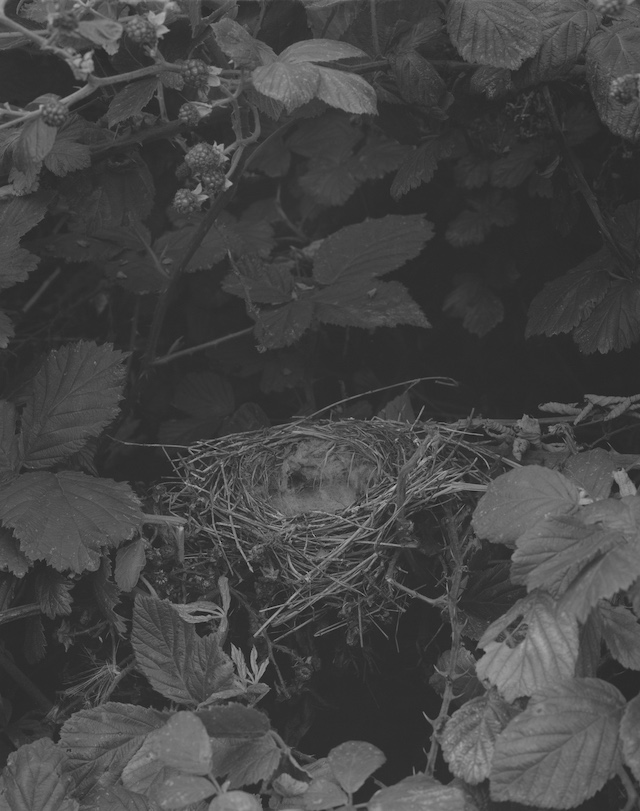
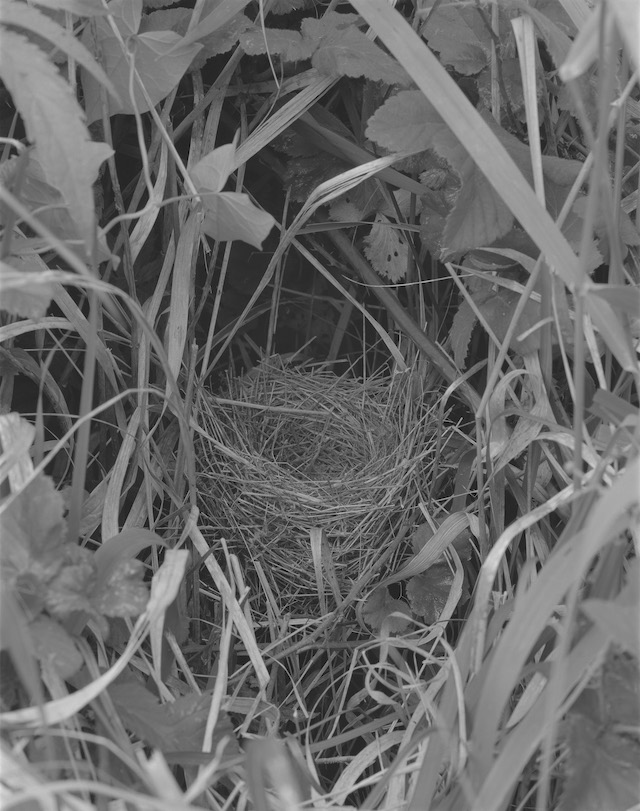
The myriad relationships between animals and their environments can be almost overwhelmingly complex. In simple terms though, as I see it, other animals are ‘at home’ in the world in a way which we humans no longer are. We radically alter the surface of the earth to suit our needs, taking far more than we need. But most animals live in such a delicate balance with their environments that they are inseparable from them–  they live within and are part of their surroundings, usually altering them only in subtle ways that are actually a natural extension of the places themselves. Birds nests are one perfect example of this: materials gathered from the immediate area are made into a structure that supports life there. A manifestation of the bird’s way of living, its behaviour and a material expression of the locale and of the bird’s relationship with it. Then, when you’re talking about migratory birds, the nest is also an expression of those annual cycles of movement, and by extension the tilt of the earth on its axis and the seasonality this causes.

A snail could be seen as an expression of a set of relationships, and so could the song thrush which feeds upon the snail by first breaking its shell on a rock, which it uses as an ‘anvil’. The snail is, in a sense, made of plants, just as the song thrush is made of snails, but that rock is part of the equation too. It’s all inseparable and this is what interests me. So I try to make pictures where interconnections express themselves, often manifested through the movements of animals and the traces these movements leave behind. 

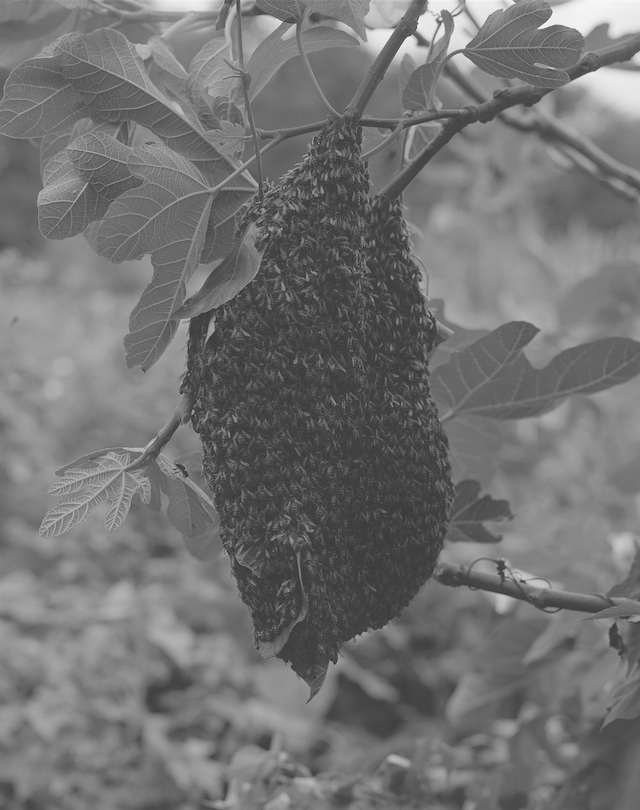
Honeybee swarm (Apis mellifera), 2017 ©Sam Laughlin

Can you give some examples from A Certain Movement, are there any favourite pictures that you could tell me more about?

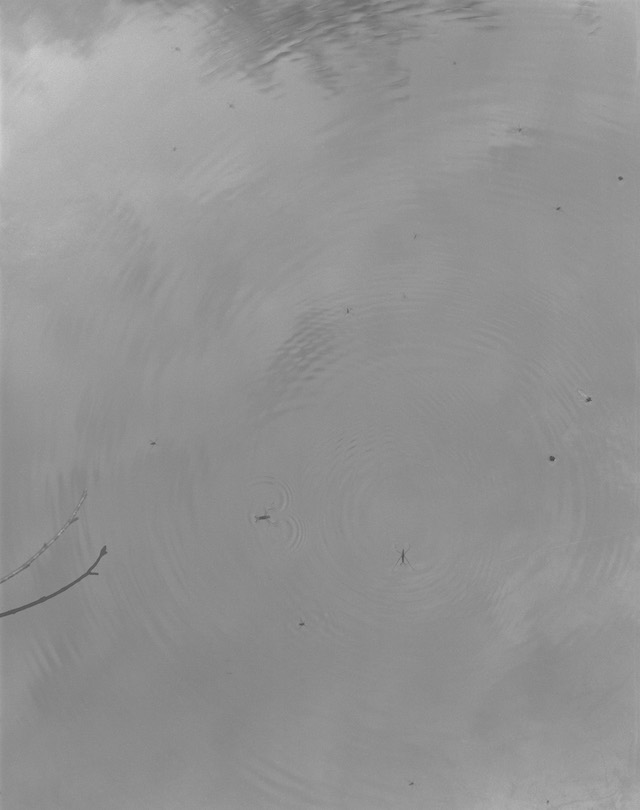
Water Striders (Gerridae) is a favourite picture of mine, chosen for its subtlety and for certain elements of the composition, but mostly for what it symbolises. Water Striders (also known as Pond Skaters) live much of their lives on the water. Their lives are defined by surface tension, which prevents them from sinking. If one looks closely at the picture you can see the ‘meniscus’ around each of their legs. Their movements cause ripples in the water; each one represents a movement and moment in time, with a significance that is briefly visible before it dissipates, rippling out, as I feel all things do. The title of my new exhibition comes from a text written by Adam Nicolson to accompany the project, in which he references this picture and all that it symbolises about the quiet events unfolding through time – Ripples in the Surface of Things.

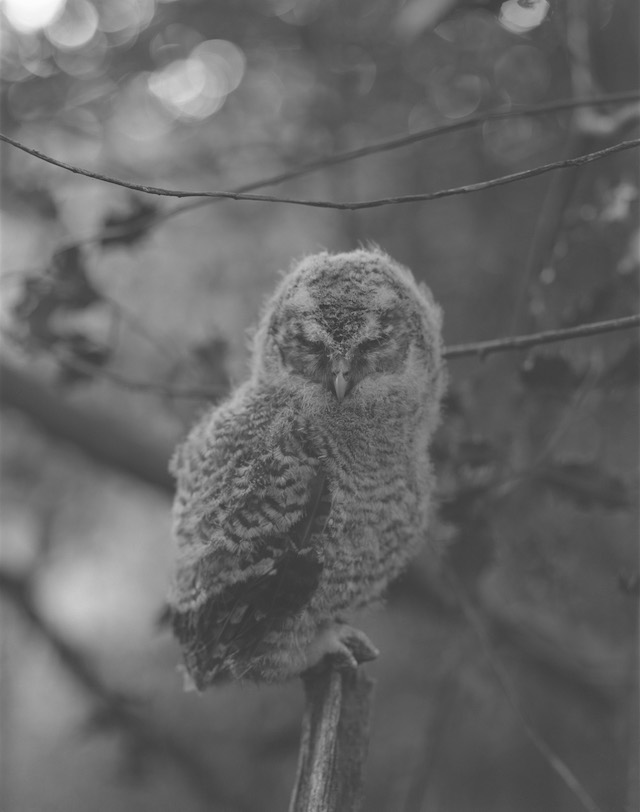
Then there is a picture which is more ‘obvious’: Tawny Owlet Branching (Strix aluco). I love this picture because it results from one of the purest and most beautiful experiences I’ve ever had. After hearing some unusual bird calls emanating from a thicket, I ventured inside and found two fledgling tawny owls (owlets) perching on branches. A phase of their lives known quite poetically as ‘branching’, where after leaving the nest they wait on nearby perches to be fed by the adult. One of the owls was in a good position for a picture, but I had to edge very close to it. I work mainly with large format film and therefore don’t use ‘zoom’ lenses. In those moments as I made the photograph, the owlet was no more than two or three feet away from me, but remained completely still. Time stretched out, and although I didn’t linger so as not to disturb the birds, it felt like an eternity as I stood face to face with it.

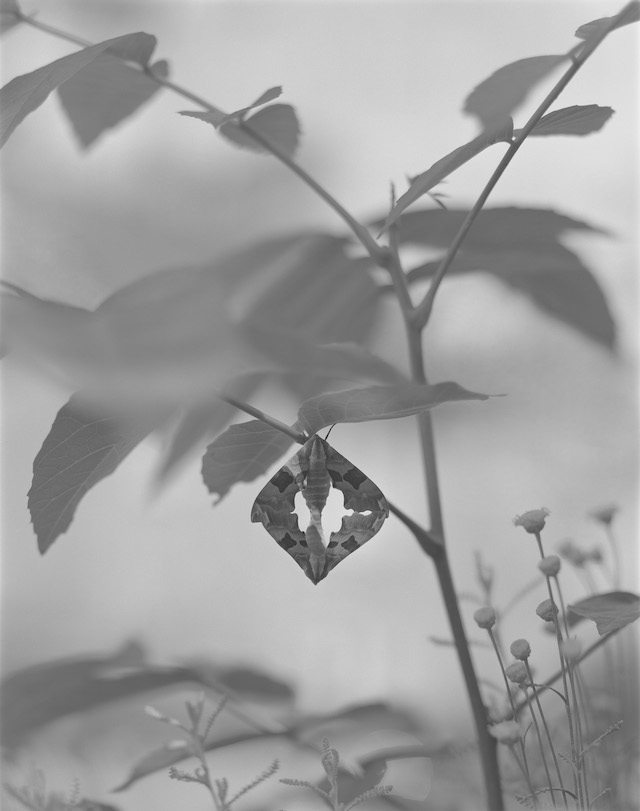
Lime Hawk-moths Mating (Mimas tiliae), 2021 ©Sam Laughlin

What’s the purpose of the project, what can the audience learn?

I hope that my audience will feel the same sense of quiet awe that I do. There’s a kind of reverence in the way I approach my work, which stems from the way I feel about the natural world, and I want the viewer to feel that; not a ‘quick fix’ of the spectacular, but a slow-burning sense of wonder. My work has been called melancholy, but I simply don’t see that. That’s the nice thing about art though; people can get different things from it.

I don’t really want to reduce my pictures to ‘illustrations’ with captions that say ‘here is X doing Y and they do this because… ’, but I do want people to understand better the beautiful intricacies of the lives that are lived all around us, that go on regardless (or despite of) our human activities or our awareness. I think if people understand more, and are more aware, then they might cherish these small things as I do, and hopefully try to do a little more to stem the tide of losses.

A Certain Movement is on show at Serchia Gallery until 17 July. All photography courtesy of Sam Laughlin

Linnet (Linaria cannabina), 2018 ©Sam Laughlin

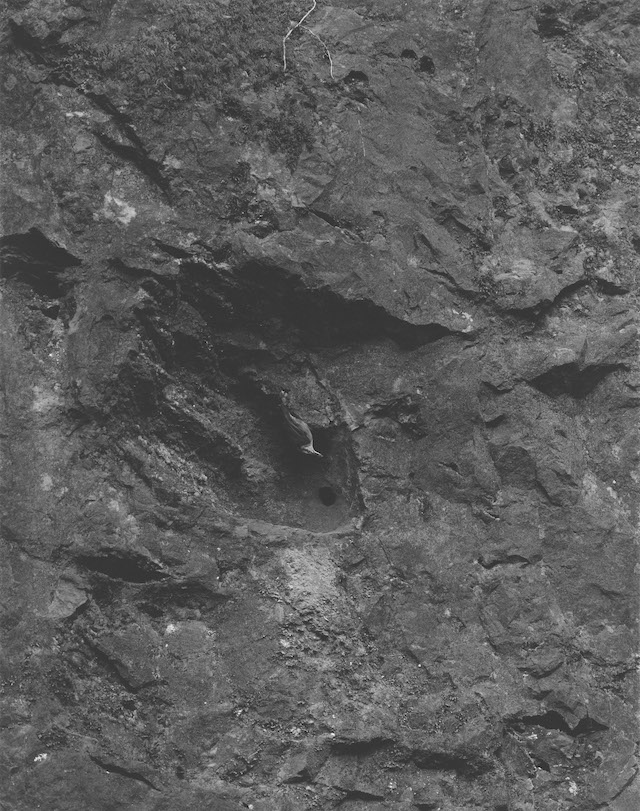
Nuthatch at nest (Sitta europaea), 2020 ©Sam Laughlin

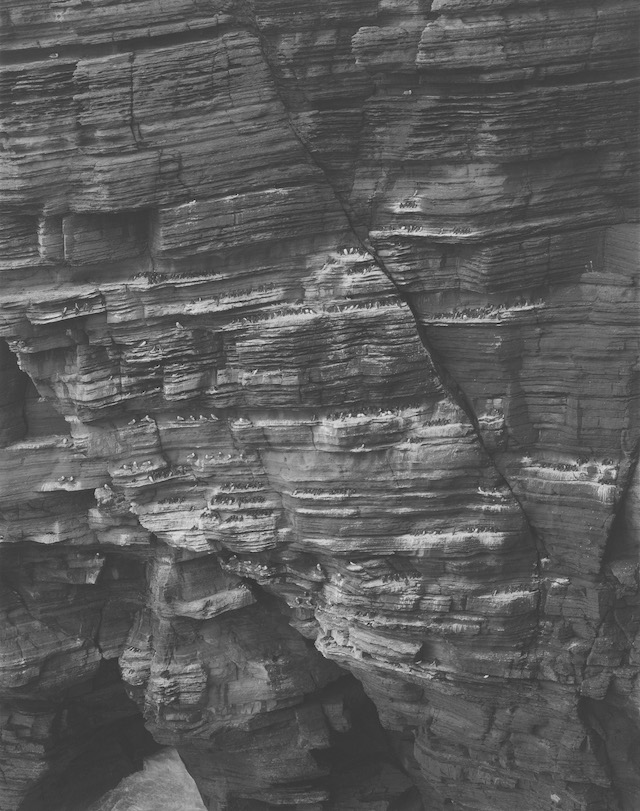
Seabird Colony #2 (four species), 2017 ©Sam Laughlin

Tawny Owlet Branching (Strix aluco), 2018 ©Sam Laughlin

Water Striders (Gerridae), 2019 ©Sam Laughlin

Whitethroat (Sylvia communis), 2021 ©Sam Laughlin

A Symbol of Love

Strength and resilience rise to the fore through the first major UK exhibition of artist Robert Indiana, currently on show at Yorkshire Sculpture Park 

Robert Indiana, LOVE (Red Blue Green), 1966–1998, installation view at Yorkshire Sculpture Park, 2022. Photo: © Jonty Wilde, courtesy of Yorkshire Sculpture Park. Artwork: © 2022 Morgan Art Foundation Ltd./ Artists Rights Society (ARS), New York/DACS, London

Arriving at Yorkshire Sculpture Park on a cloudless morning in March, it was strange to think that just days ago one of the worst storms in years had wreaked havoc here. The 500-acre park had lost three of its ancient trees; the grounds were left muddy and the branches bare. But, in a moment of respite, there was a refreshing sense of hope and resilience in the air, as well as the welcomed scent of spring exuded through the dozens daffodils sprouting from the earth.

Celebrating its 45th anniversary this year, the park has been at the epicentre of contemporary sculpture for the past four decades. There are currently more than 80 works from major sculptors peppered amongst its grounds including Phyllida Barlow, Ai Weiwei, Joan Miró, Damien Hirst and Barbara Hepworth, with site-specific works from Andy Goldsworthy, David Nash and James Turrell. It’s a treasure trove for art lovers, nature enthusiasts and dog walkers alike; there’s something for everyone whether it’s a leisurely stroll, a picnic, a gawk at the 18th-century Bretton Hall estate, or to revel in the work of some of the world’s best-known sculptors. 

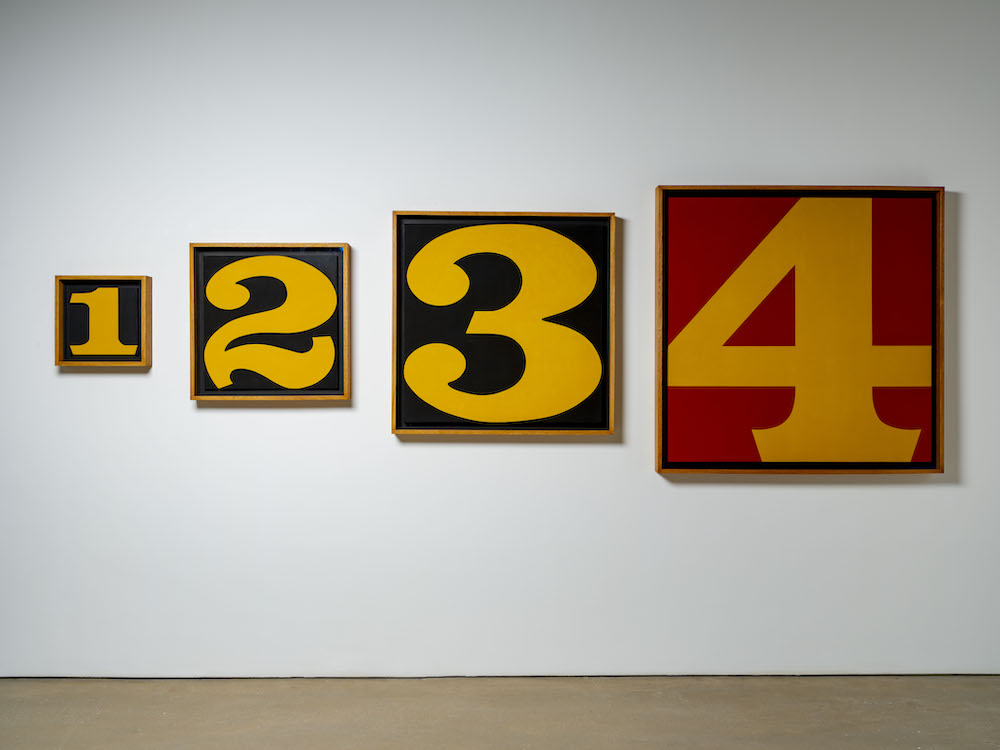
Robert Indiana, Exploding Numbers, 1964-66, installation view at Yorkshire Sculpture Park, 2022. Photo: © Jonty Wilde, courtesy of Yorkshire Sculpture Park. Artwork: © 2022 Morgan Art Foundation Ltd./ Artists Rights Society (ARS), New York/DACS, London

There’s much to explore, not least in the park’s ongoing exhibition programme located in six indoor galleries and the outdoors. For 2022, the YSP opens the doors to the first major UK exhibition of American artist Robert Indiana, spanning 60 years of his magnanimous sculpting career with many works previously unseen. Additionally, there’s a selection of drawings by sculptor and land artist David Nash presented in The Weston Gallery and Bothy Gallery, while Yukihiro Akama’s miniature wooden houses are shown in the YSP Centre. A common denominator throughout it all is a profound feeling of love and strength, addressed through the key topics of the major exhibitions – that being politics and sustainability. This is oozed through the works entirely but most prominently at the entrance of the site, Indiana’s iconic Love (Red Blue Green) (1966-1998), stands proudly as if it were watching over us all, reminding us of one of the most universally felt emotions.

Clare Lilley, who’s recently been appointed the new director of YSP, spoke of the “incredible coincidence” of making this exhibition at this point in time. The moment she saw Love being installed at the park, for instance, she sobbed. The invasion of Ukraine had just been announced and – holding back her tears greatly – she remarks how “love is symbolic for the current world”. Love couldn’t be more symbolic or more pertinent, despite the fact that it was crafted decades ago. 

Robert Indiana, LOVE WALL, 1966-2006, installation view at Yorkshire Sculpture Park, 2022. Photo: © Jonty Wilde, courtesy of Yorkshire Sculpture Park. Artwork: © 2022 Morgan Art Foundation Ltd./ Artists Rights Society (ARS), New York/DACS, London

The tone was set for the remainder of the day as Clare took us on a guided tour of the park, first beginning with Indiana’s outdoor structures allude to his fascination with the graphic, numerical form. “Numbers fill my life,” he stated, penned in the release. “They fill my life even more than love. We are immersed in numbers from the moment we’re born.” Heading indoors, we gazed at the surprisingly mixed-media works; brass pieces constructed to look like wood, earlier collage forms, or phallic columns addressing the impact of the AIDS crisis to name a few. Tracing six decades through 56 sculptures, we saw the artist’s practice in full swing as he depicted his own version of the American Dream – a darker one at that. Forging a connection between politics, society and art, Indiana’s momentous career has poked hard at the world for its discrimination of LGBTQIA+ communities and racism. It’s a hopeful reminder of love and unity. 

The day continued as we strolled through the luscious grounds, inhaling the fresh air and either avoiding or ingesting the Marmite pieces from Hirst in the nearby distance. David Nash was our next stop – a painterly depiction of our relationship with nature perceived through an evolving study of trees – before heading to witness James Turril’s Deer Shelter Skyspace, a moment of calm as we peaked through the cut out roof of an 18th-century Grade II Listed building (an old deer shelter). Swapping the foot for a sturdy Land-rover, the final steps of the day were observed through the window as the helpful guide navigated us through the on-site sculptures and artworks. A personal favourite being the biodegradable pavilion created by Studio Morison, where timber, thatch and compacted earth has been constructed to allow visitors in for a moment of peace and quiet. Eventually, the piece will fall in on itself and decompose. It’s a stark comment on the fragility of nature, echoed by the fallen trees and bent branches from the storm.

YSP is undeniably a tranquil setting, and the final moments of the day were with concluded with calm, wind-hit faces and an unanimous feeling of contentment. Consumed by nature-rich parklands and the evocative artworks on display, I couldn’t think of a more apt location for discussing themes of love, resilience and our relationship with the planet – a greater reflection of what’s happening in the world right now.


Robert Indiana: Sculpture 1958-2018 is on show at YSP’s Underground Gallery and Open Air between 12 March 2022-8 January 2023

Robert Indiana, American Dream # 5 (The Golden Five), 1980, installation view at Yorkshire Sculpture Park, 2022. Photo: © Jonty Wilde, courtesy of Yorkshire Sculpture Park. Artwork: © 2022 Morgan Art Foundation Ltd./ Artists Rights Society (ARS), New York/DACS, London

Robert Indiana, AMOR (Red Yellow), 1998-2006, installation view at Yorkshire Sculpture Park, 2022. Photo: © Jonty Wilde, courtesy of Yorkshire Sculpture Park. Artwork: © 2022 Morgan Art Foundation Ltd./ Artists Rights Society (ARS), New York/DACS, London

Robert Indiana, Ash, 1985, cast 2017, installation view at Yorkshire Sculpture Park, 2022. Photo: © Jonty Wilde, courtesy of Yorkshire Sculpture Park. Artwork: © 2022 Morgan Art Foundation Ltd./ Artists Rights Society (ARS), New York/DACS, London

Robert Indiana, Love Is God, 1964, installation view at Yorkshire Sculpture Park, 2022. Photo: © Jonty Wilde, courtesy of Yorkshire Sculpture Park. Artwork: © 2022 Morgan Art Foundation Ltd./ Artists Rights Society (ARS), New York/DACS, London

Robert Indiana, Monarchy, 1969, installation view at Yorkshire Sculpture Park, 2022. Photo: © Jonty Wilde, courtesy of Yorkshire Sculpture Park. Artwork: © 2022 Morgan Art Foundation Ltd./ Artists Rights Society (ARS), New York/DACS, London

Dirk Braeckman: LUSTER./

The first NYC solo show in 15 years at GRIMM, the photographer challenges our perspectives of reality with nine years’ worth of boundary pushing imagery

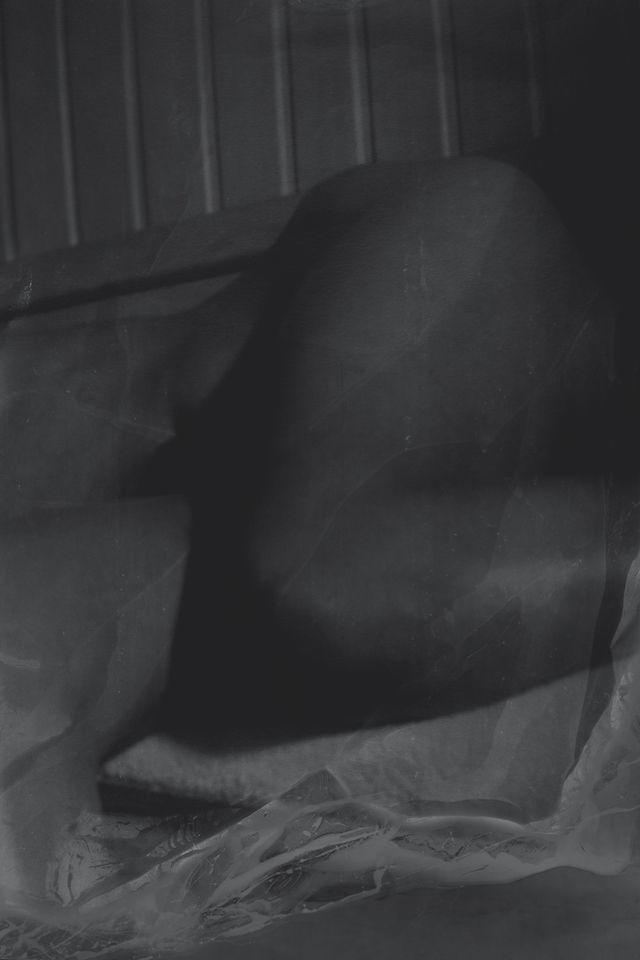
Dirk Braeckman: S.N.-U.N.-21, 2021. Ultrachrome inkjet print mounted on aluminium in stainless steel frame Framed: 90 x 60 x 3 cm | 35 3/8 x 23 5/8 x 1 1/8 in Edition of 5 plus 1 artist’s proof (#1/5) (c) Dirk Braeckman. Courtesy Zeno X Gallery, Antwerp, Galerie Thomas Fischer, Berlin and GRIMM, Amsterdam and New York

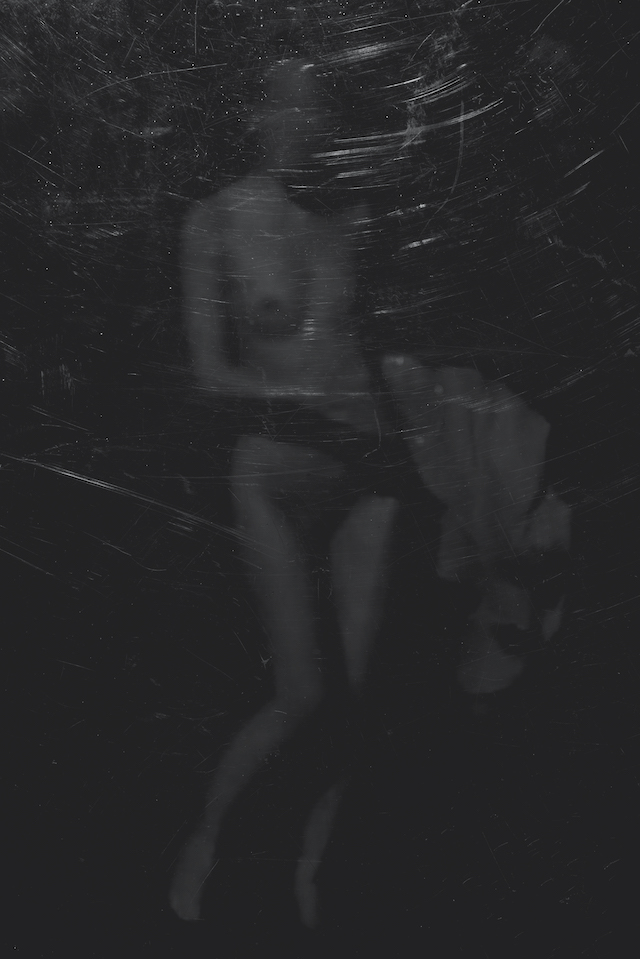
The opening image of Dirk Braeckman’s first solo show of 15 years is quintessentially Dirk Braeckman. This photo greets you with a stark uneasiness; a body-like composition appears to be cradling itself amongst some crispy sheets and materials, the colours printed in a signature tone of ashy monochrome. Sombre, dark and melancholy, the name – S.N-U.N.-12, 2021 – is just as allusive as its subject matter, where you’re not quite sure of its offering, let alone its narrative and context. But one thing we do know is that the piece is an ultra chrome inkjet print, mounted on aluminium and hung in a stainless steel frame; a technique widely employed throughout the photographer’s boundary pushing practice. 

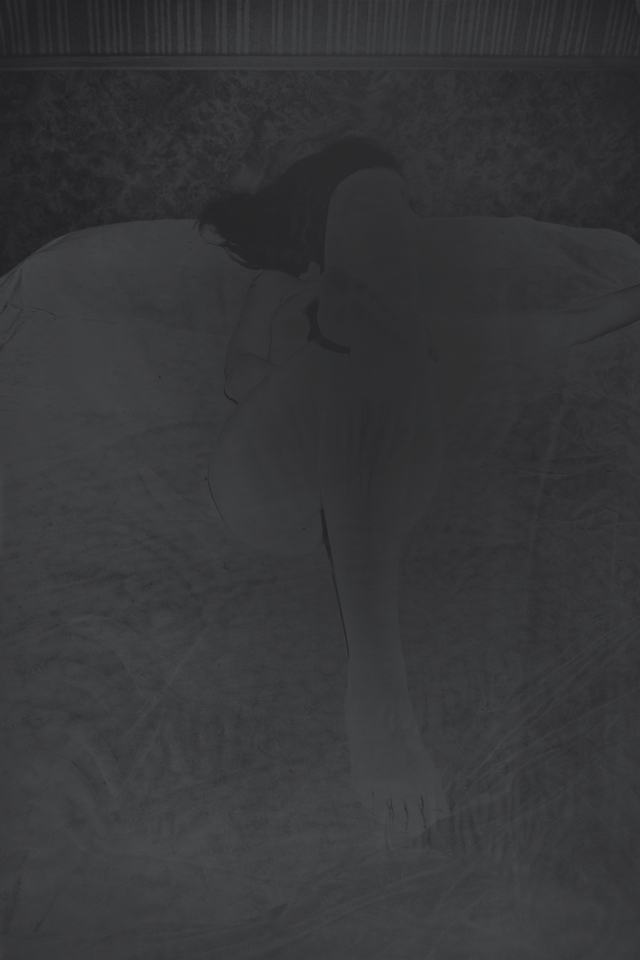
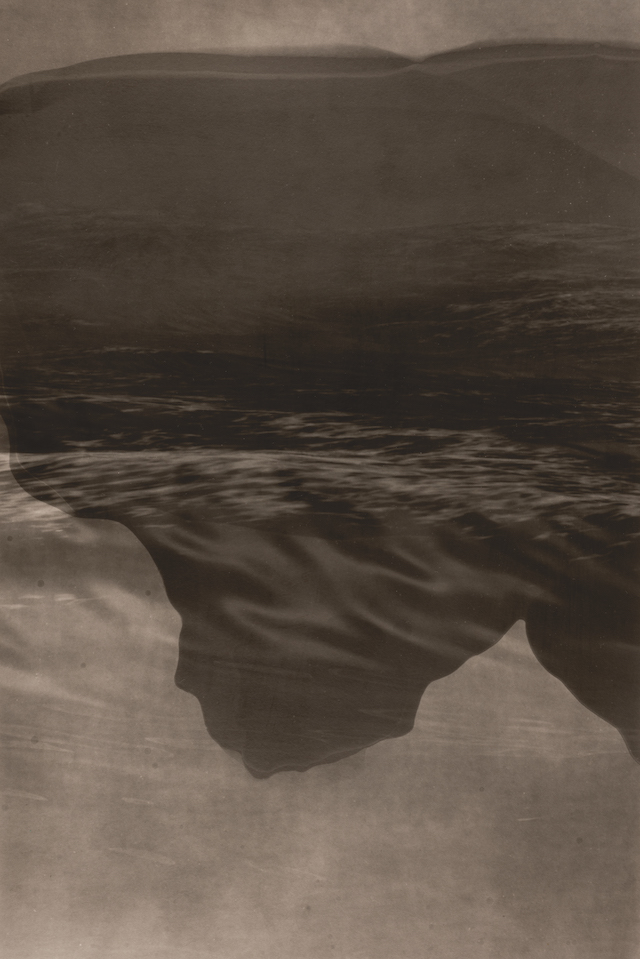
Minutes later and you’ll float quietly past the image titled U.M.-V.P.-16, an almost opaque depiction of a subject laying on a a bed – their face obscured from the camera’s gaze and the lines of the body only just visible to the audience. Similar to when a bright flash goes directly into your eye and your pupil rapidly adjusts to its surroundings, this gelatine silver print is hauntingly mysterious. What follows next is a series of landscape explorations, the sea crashing against the sepia-tinted cliffs and the dynamic ripples of the ocean reflecting the small amount of light available to the lens. You might not have come across anything so considered and technical before, where layers of life and perspective have been thoughtfully composed into a dystopian depiction of the world. 

Dirk Braeckman: U.M.-V.P.-16, 2016. Gelatin silver print mounted on aluminium, aluminium support & frame Framed: 180 x 120 x 3 cm | 70 7/8 x 47 1/4 x 1 1/8 in Unique in a series of 3 (#1/3) (c) Dirk Braeckman. Courtesy Zeno X Gallery, Antwerp, Galerie Thomas Fischer, Berlin and GRIMM, Amsterdam and New York

Based in Belgium, Dirk has spent the last 40 years as a photographer. Over this time, he’s continued to build on his impressive portfolio replete with recognisable and undeniably expressionistic artworks, that of which have garnered him a credible name in the field. Instead of offering up his stories and motives on a platter for the hungry viewer to quickly ingest, Dirk contrastingly leaves a sense of mystery throughout all that he creates. He’s a suckler for the darkroom, too; he works like a painter as he experiments with the creative process, altering negatives through various tools and double exposure techniques. The result of which is almost unrecognisable, from altered seascapes, darkened bedrooms, wallpapers and nudes awash in a tone of grey. What is reality, when conceived through the eye of this knowingly stirring photographer?

Toying with the unknown, Dirk’s photography is very much the case of ‘show don’t tell’. It’s an illusion ready to be found out – like the moment of uncovering a magician’s trick. Whether we find this book of secrets, though, is something we can only hope for. But for now, revelling in the beauty of the imagery at hand is more than enough. 

Dirk Braeckman: U.C.-T.C.I #2 -21, 2021 Ultrachrome inkjet print mounted on aluminium in stainless (series of five works) 180 x 120 x 3 cm | 70 7/8 x 47 1/4 x 1 1/8 in (each) Edition of 3 (#1/3) (c) Dirk Braeckman. Courtesy Zeno X Gallery, Antwerp, Galerie Thomas Fischer, Berlin and GRIMM, Amsterdam and New York

The exhibition features a wide-spanning collection of his works from 2012 to 2021 that not only give the audience a firm understanding of the breadth of his practice, but also his commitment to his artistic language. There’s a synchronicity between each piece, where fluid movements of nature meet with the candid postures of his subjects. What I find particularly interesting, too, is the omnipresent feeling of light. In many of his photos, there’s a glimmer of light presented in the frame. This is either portrayed as a more obvious ray of the moon or the more allusive, like the moment someone tries to photograph an artwork in front of them, only to have been met with the light bouncing off the frame. Other times, the light is more finely sprinkled than it is all-encompassing, but it’s always there – keeping you in check with the reality.

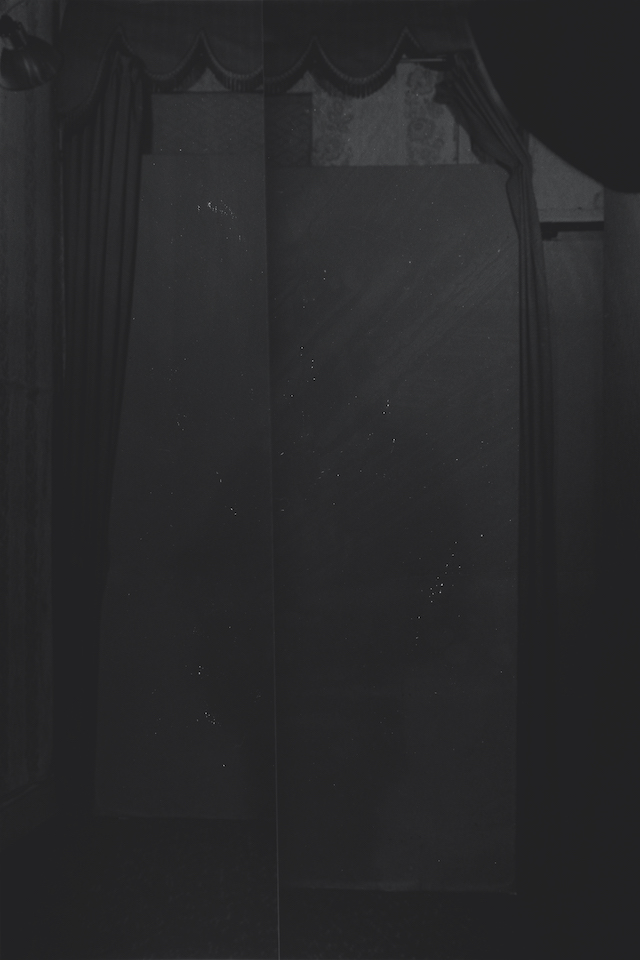
Towards the final moments of the exhibition, you’re then met with a piece named T.S.-O.S.-18. There’s a familiarity about this one – the darker palettes, handing drapes and wallpaper. Yet what’s different this time around is that there’s no subject to be seen, no-one cradling their own body in the dimly it room. The absence of a person leaves you wondering whether what you’ve just been looking at was ever there at all; that art and photography a subjective, illusive thing. 

LUSTER./ is currently on show at GRIMM New York until 26 February 2022. 

Dirk Braeckman: B.J.-D.U.-12, 2012. Gelatin silver print mounted on aluminium, aluminium support & frame Framed: 180 x 120 x 3 cm | 70 7/8 x 47 1/4 x 1 1/8 in Edition of 3 plus 1 artist’s proof (#2/3) (c) Dirk Braeckman. Courtesy Zeno X Gallery, Antwerp, Galerie Thomas Fischer, Berlin and GRIMM, Amsterdam and New York

Dirk Braeckman: B.S.-S.B.-18 #3, 2018. Gelatin silver print reversibly mounted on aluminium 180 x 120 x 3 cm | 70 7/8 x 47 1/4 x 1 1/8 in (c) Dirk Braeckman. Courtesy Zeno X Gallery, Antwerp, Galerie Thomas Fischer, Berlin and GRIMM, Amsterdam and New York

Dirk Braeckman: R.N.-W.S.-21, 2021. Ultrachrome inkjet print on matte paper 180 x 120 cm | 70 7/8 x 47 1/4 in Edition of 3 plus 1 artist’s proof (c) Dirk Braeckman. Courtesy Zeno X Gallery, Antwerp, Galerie Thomas Fischer, Berlin and GRIMM, Amsterdam and New York

Dirk Braeckman: F.W.-S.V.-21, 2021. Ultrachrome inkjet print mounted on aluminium in stainless steel frame Framed: 180 x 120 x 3 cm | 70 7/8 x 47 1/4 x 1 1/8 in Edition of 3 plus 1 artist’s proof (#1/3) (c) Dirk Braeckman. Courtesy Zeno X Gallery, Antwerp, Galerie Thomas Fischer, Berlin and GRIMM, Amsterdam and New York

Dirk Braeckman: L.U.-A.L.-21, 2021. Ultrachrome inkjet print mounted on aluminium in stainless steel frame Framed: 180 x 120 x 3 cm | 70 7/8 x 47 1/4 x 1 1/8 in Edition of 3 plus 1 artist’s proof (#1/3) (c) Dirk Braeckman. Courtesy Zeno X Gallery, Antwerp, Galerie Thomas Fischer, Berlin and GRIMM, Amsterdam and New York

Dirk Braeckman. 27.1 / 21.7 / 045 / 2014, 2014 Ultrachrome inkjet print mounted on aluminium support & frame Framed: 120 x 180 x 3 cm | 47 1/4 x 70 7/8 x 1 1/8 in Edition of 3 plus 1 artist’s proof (#2/3) c) Dirk Braeckman. Courtesy Zeno X Gallery, Antwerp, Galerie Thomas Fischer, Berlin and GRIMM, Amsterdam and New York

Dirk Braeckman: R.N.-W.S. #2-21, 2021. Ultrachrome inkjet print mounted on aluminium in stainless steel frame Framed: 180 x 120 x 3 cm | 70 7/8 x 47 1/4 x 1 1/8 in Edition of 3 (#1/3) (c) Dirk Braeckman. Courtesy Zeno X Gallery, Antwerp, Galerie Thomas Fischer, Berlin and GRIMM, Amsterdam and New York

Dirk Braeckman: S.G.-B.S.-21, 2021. Ultrachrome inkjet print mounted on aluminium in stainless steel frame Framed: 180 x 120 x 3 cm | 70 7/8 x 47 1/4 x 1 1/8 in Edition of 3 plus 1 artist’s proof (#1/3) (c) Dirk Braeckman. Courtesy Zeno X Gallery, Antwerp, Galerie Thomas Fischer, Berlin and GRIMM, Amsterdam and New York

Dirk Braeckman: T.S.-O.S.-18 (1_1), 2018 Gelatin silver print reversibly mounted on aluminum 180 x 120 cm | 70 7/8 x 47 1/4 in Unique in a series of 3 (#1/3) (c) Dirk Braeckman. Courtesy Zeno X Gallery, Antwerp, Galerie Thomas Fischer, Berlin and GRIMM, Amsterdam and New York


Town of C

In the rural lands of the Rocky Mountains, Richard Rothman exposes the unsettling truth of American culture and its reliance on the environment

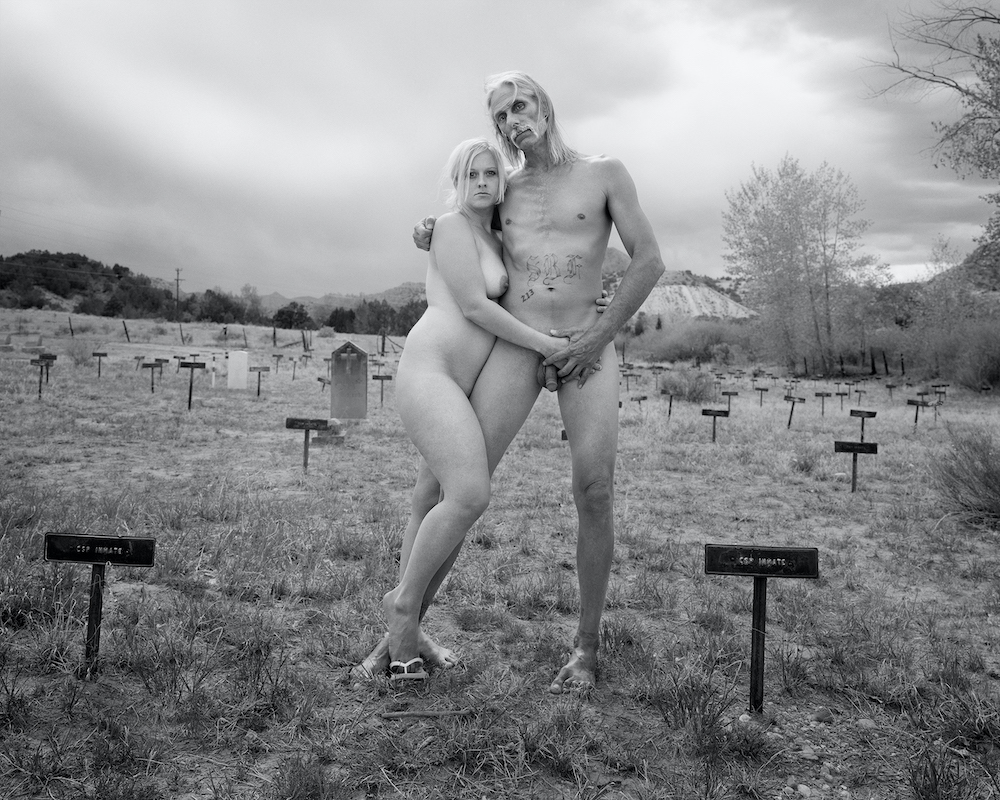
On the introductory page of Richard Rothman’s Town of C, a book published by Stanley/Barker, a naked couple pose starkly in front of the camera. The image, shot in a tonal shade of monochrome, depicts the pair in an embrace, standing amongst a prison cemetery located in the rural lands of Colorado – the part that’s allocated to the state penitentiary for inmate burials. This is unusual for a prison to be located in the middle of a town, but this one in particular was first a territorial prison (meaning medium security) that housed 25 prisoners, which was then formed into its own prison around 1874. The couple, more so on the woman’s side, instigated the idea to pose nude upon meeting with Richard, and this inadvertently set up what the photographer now goes on to describe as a metaphor “tied up with a bow” – that which hints to the biblical, spiritual and the natural.

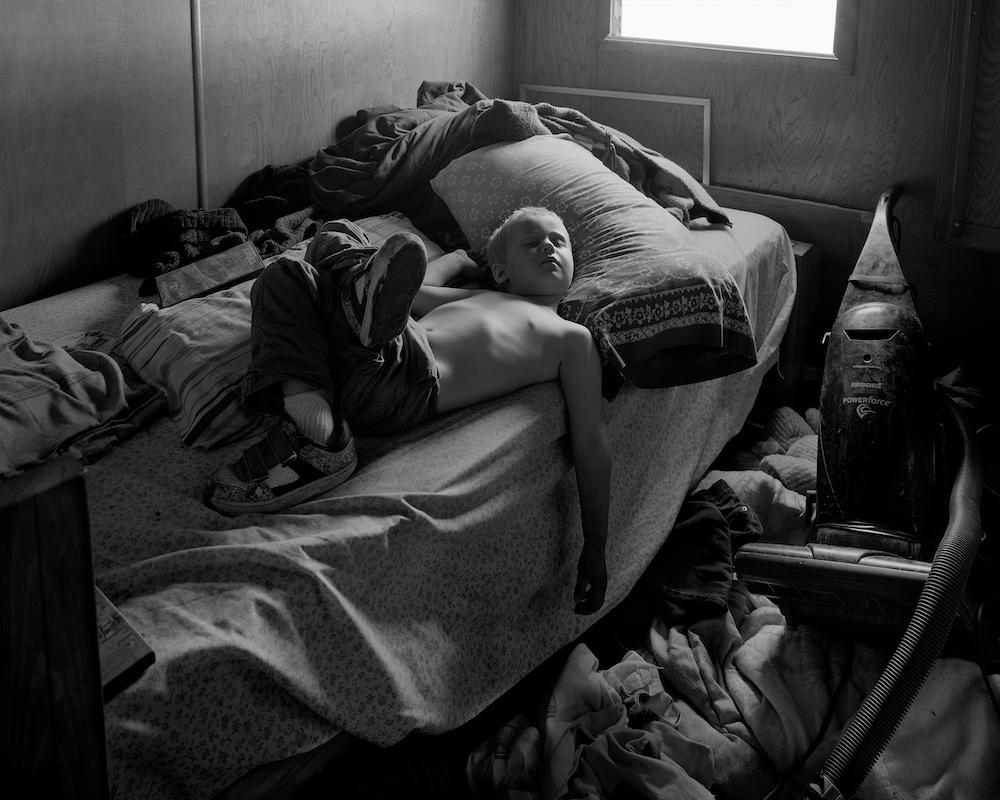
“I met the woman in this photograph when she was a child,” says Richard, stating how the couple now live particularly close to the cemetery. “The man in the picture is the father of three of her five children, two of whom feature in another picture, in the doorway of a rehab house. He had a long association with LA gangs before moving out to Colorado. Anyway, she persuaded her partner to pose nude with her for me. As soon as I set up for this picture it began to rain, so I was in a hurry and it hadn’t occurred to me that this was going to be an Adam and Eve picture. Months later, on a visit to the Morgan Library, I came upon a postcard of the Dürer etching depicting The Fall of Man, and the expulsion from the garden. It had been an unconscious connection, because I grew up with that story and that particular image, which I was fascinated by, and I realised, much later, that it was a fitting opening to the narrative of the book that unfolds, that it spoke to the current environmental situation, and that it is an enduring, eloquent myth about the universal experience of loss of innocence.”

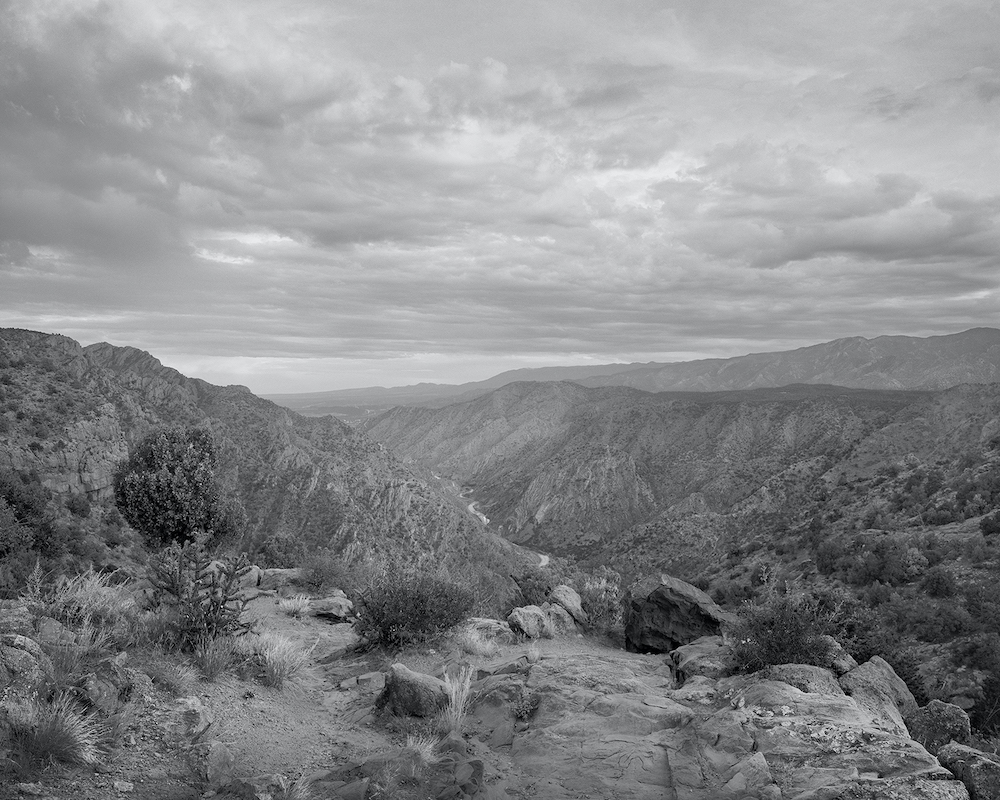
In this part of the world, more specifically the Front Range of the Southern Rocky Mountains, the landscape reigns supreme. The summits tower over the valleys, stretching around 300 miles from Colorado to southern Wyoming. Hikers and mountaineers are drawn to its vast populous of treks, climbs and views, where peaks exceed 4,000 metres and wrap around a variety of rivers. In contrast with this almost inimitable backdrop, there are also vast cities and towns resting on the banks and outer edges of the ranges. This includes the small rural town that Richard photographically paints through the pages of Town of C, one that remains unnamed. “I wanted to tell the biggest story I could, starting with a portrait of a small town, reflecting on the national culture at large and moving out to the mystery – the world beyond our planet – that we’ve all come from,” he adds. And it’s through the very town, its people, its architecture, roads and undeveloped lands, that Richard aims to shed light on the relationship between these two beings: the human and the environment.

A shy away from the typical American road trip conceived through the work of photography greats like Robert Frank and Walker Evans, Town of C does things a little differently. Instead, Richard looks at the archetypal town and, more specifically, a settlement that he’s visited regularly over the years, revealing the societal and economic complexities of the place through considered compositions and adequate time spent in each location. “Almost everything about the way we live in America, and so much of the world now, is obviously unsustainable and drastically out of tune with the environment we inherited,” he explains. 

“When I began work on the project, climate change wasn’t as widely understood. Today, you have to be wilfully ignorant not to be aware of it. I think there are people who are there because they appreciate its beauty, and I think there are many more for whom life is so challenging they don’t have the luxury to enjoy the beauty around them. So many of us are forced to look down at our shoes and live month-to-month, just taking one step at a time to survive. Americans in general aren’t encouraged to appreciate beautiful land. We don’t teach aesthetics to children in most schools, and it gets in the way of businesses that want to exploit natural resources for profit. Our relationship to nature is deeply troubled and ill considered.”

There are multiple layers hidden throughout Town of C, the most notable being the portrayal of nature’s fragility. Humankind’s reliance on the environment is massive, and in this book, we see this brought to the fore through the energy of the river that runs through Colorado and the Rocky Mountains – the lifeline to all that settle upon the water’s edge. Then, as we meander through the remaining parts of the book, this consuming visual narrative expels themes of the American dream and how, especially in the American small town, these ideologies and dreams of endless natural resources are dwindling. What does the future hold for these lands?

As the book comes to a close, I’m reminded again of the first image of the naked couple and its explicit synergy between place and person. For Richard, this single picture resonates with him for its rich symbolism, as well as its relationship to the Grant Wood painting called American Gothic – “of the stone-faced man and his ill-at-ease-partner, pitchfork in hand, all business and no joy,” he says. “I felt the graveyard picture had a potential iconic quality. The myths of American small town steely resilience and self-sufficiency have collided here with the relentless forces of contemporary socio-economics, and the finite nature of land and resources. The little metal places in the picture serve as gravestones, all of them identified with the initials CSP, which stands for Colorado State Penitentiary. The prison used to make the license plates for Colorado vehicles. The grave markers were made in the same workshop by prisoners for their fellow inmates. They represent people whose families couldn’t afford, or didn’t care enough, to place actual stones on their burial plots, and I couldn’t help but think that said something revealing about their lives, and perhaps why they ended up there in the first place.”

All photography courtesy of Richard Rothman

Town of C is published by Stanley/Barker

At The Night Garden

Published by Stanley/Barker, Paul Guilmoth’s new photo book is a loving and nostalgic ode to the garden

© Paul Guilmoth

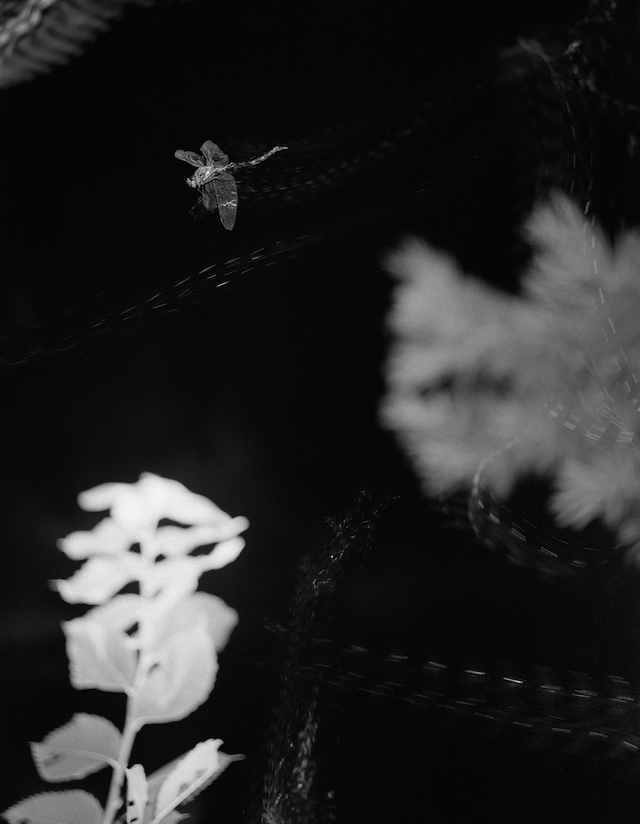
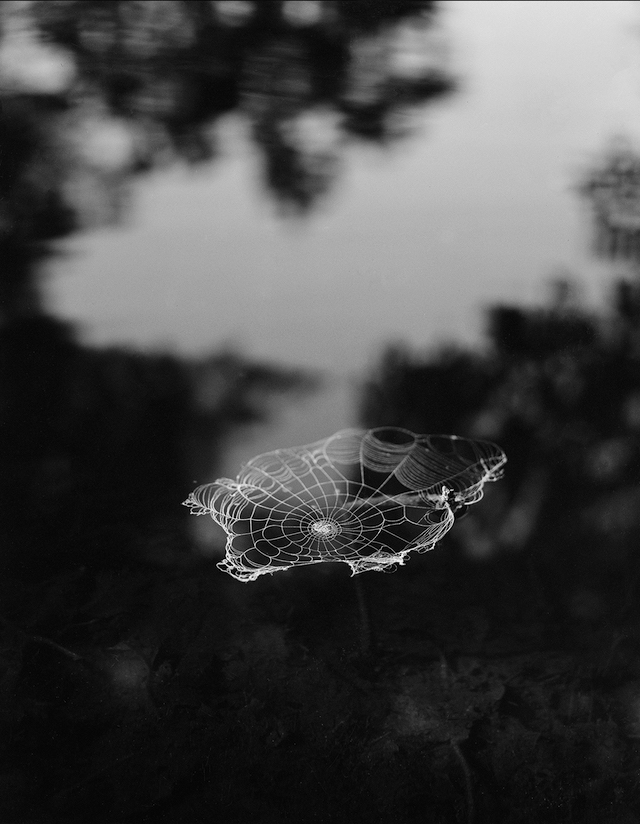
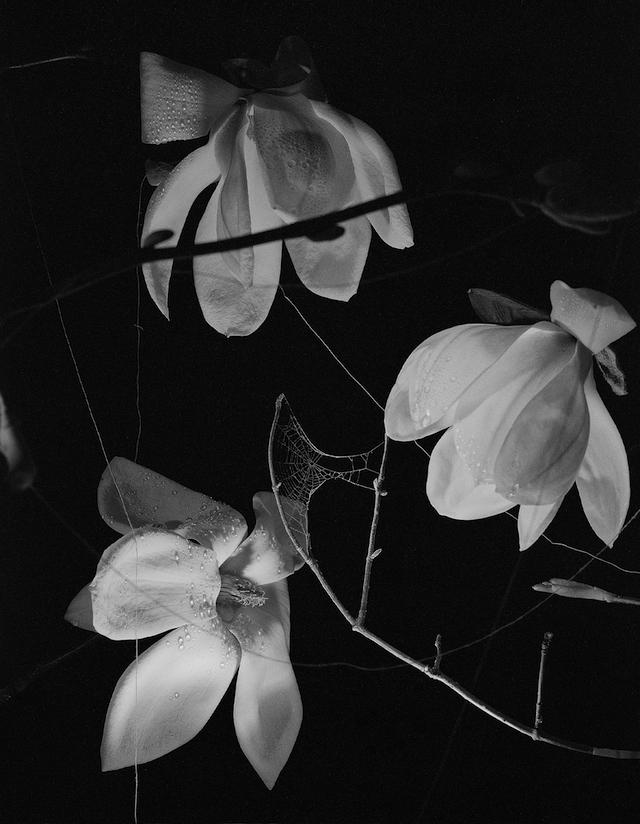
When you imagine the luscious grounds of a garden, a handful of nostalgic emblems may rise to the surface: first the feeling of freedom, prancing through the long grass in the warm and sunny spells of summer – care-free and revelling in the goods that nature has provided. The second, a sense of safety, evoked by the familiar four walls of fencing or shrubbery. The garden, in this sense, is a sacred place and will remain to be one that’s loaded with memory – personal history – for those who enter. But how many have visited the leafy grounds at night, indulging in the moonlit shadows of the fauna as the spider webs thread from branch to branch?

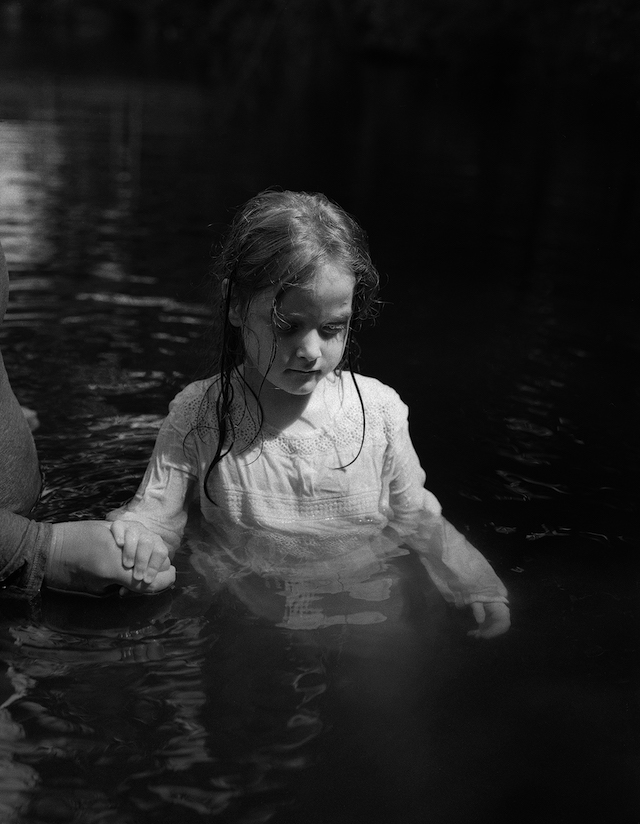
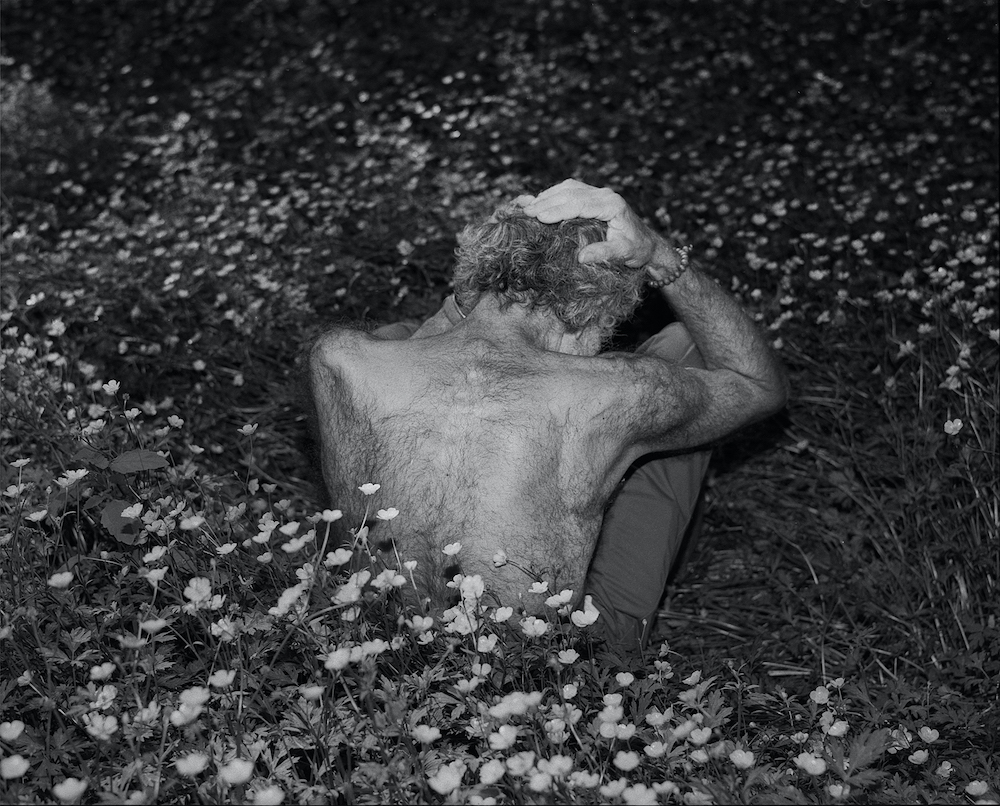
Paul Guilmoth, a photographer based in New England, does just that in a new book aptly named At The Night Garden, which is now published by Stanley/Barker. Conceived through a stark yet weirdly calming monochrome lens, we see myriad of emblematic features prevail – the silky web taking on a sculptural form, the flash-lit structures of the leafs and bushes, and the glowing faces of their subjects only visible through the silver torch of the sky. But along with the magical, there’s also a sense of eeriness and longing that protrudes from the work. We observe the somewhat blank expressions of the people he photographs – their family and loved ones – as they stand hauntingly, sometimes posing and other times candidly raising an arm or glance, or cradling their head on a bed of florals. Their postures, along with the carefully chosen landscape of garden beds and trees, are more than aesthetic compositions: they’re telling us a story, Paul’s own personal story.

© Paul Guilmoth

Not only is it an elegy to a queer world and identity, At The Night Garden is also lovingly dedicated to Trula Drinkard-Goolsby, who died on July 17 2021 after one last day spent laying in the field – the setting at which Paul decided to centre this photographic study. “The week before Trula died,” says Paul, “she began spending entire days reclined in her field. Her body would be so still we’d come up closer to be sure she hadn’t left us. A slight movement of her head chasing a loose swallow, or a finger grazing a plucked blade of grass was enough. Tuesday night she had come into the kitchen after a particularly long 12 hours in her field. Her hair disheveled like a bird nest. She looked at a rhubarb stalk on the table and said to us ‘all this time I’ve never seen the flowers growing, but they’re taller every morning.’”

© Paul Guilmoth

For Trula, as perceived through this visual narrative, the garden is the safe space at which she spent her very last moments. It’s symbolic in a multitude of ways, nodding to the cycle of life and biorhythm of the natural world; commencing with energetic shots of place and people, the book’s sequence then concludes with an illuminated cave-like door that alludes to a passage. Once a human dies, do they then reincarnate into the lands, the trees and grasses, in which they passed? It’s humbling to think of it in that way, imagining the environment as a place that houses the memories of our loved ones. 

Paul’s At The Night Garden beholds many spiritual and religious references, from baptisms to funerals, to birth, folklore and the fragility of life. Multilayered and allegorical, it shows the non-permanence of everything around us, plus the uniquely human desire to preserve the things that we hold dearly – the garden, here, serving as the archive. So to make sense of the work in all but a sentence or two would be a tricky one, because most – if not all – will relate to the pictures in some form of another, giving the photographs new meaning with each and every viewing. It’s like a dreamworld, a place of past and present in which Paul records their memories of Trula. It’s a story that never ends so long as Paul, and we, will remember.

Paul’s At The Night Garden is available at Stanley/Barker

© Paul Guilmoth

© Paul Guilmoth

© Paul Guilmoth

© Paul Guilmoth

© Paul Guilmoth

© Paul Guilmoth

© Paul Guilmoth

Mango Season

Andrea Hernández Briceño, who’s part of this year’s Latin American Foto Festival, uses her medium to raise awareness of food insecurity in Venezuela

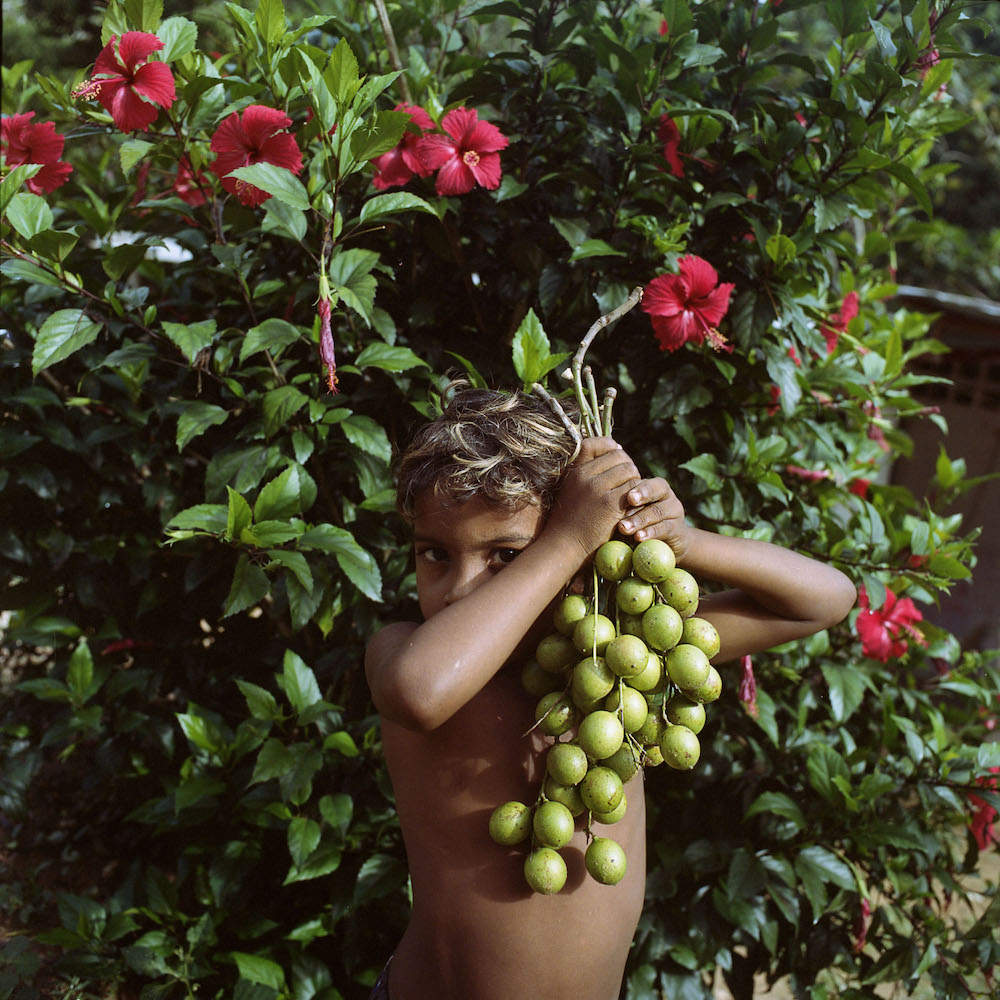
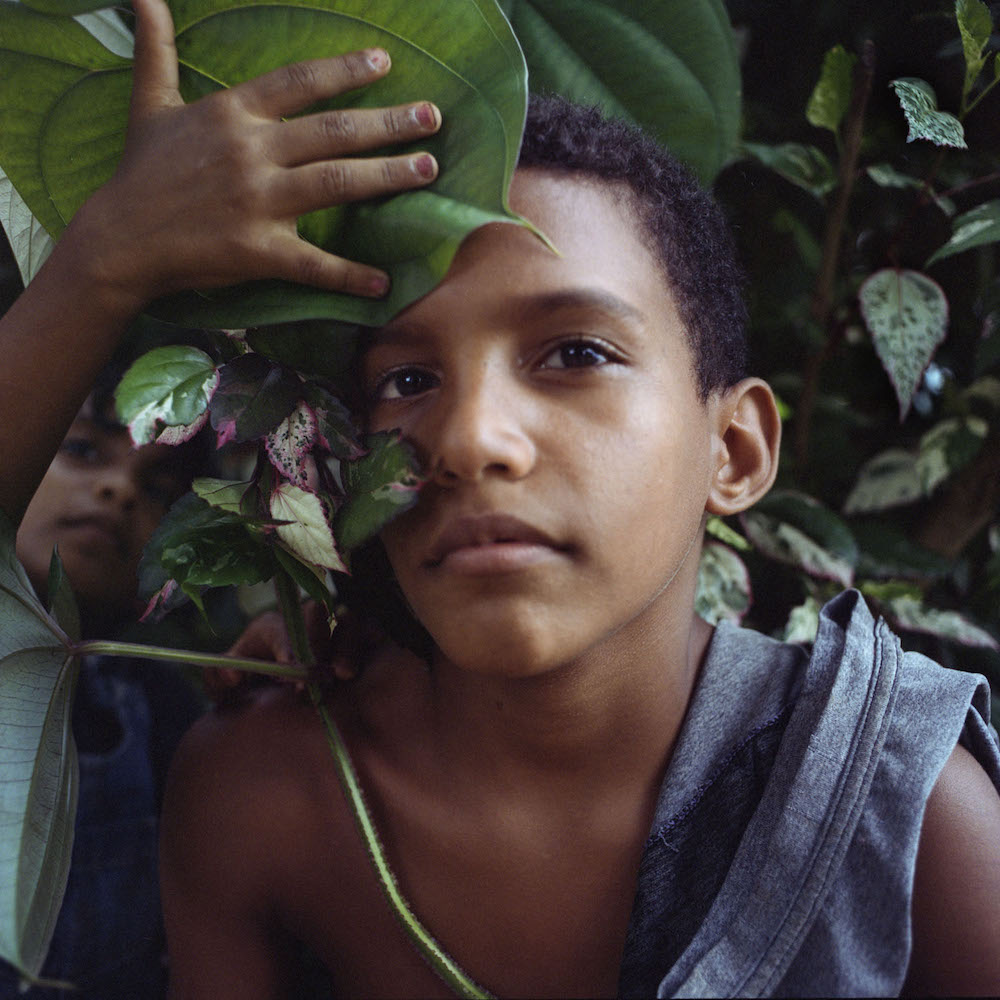
Alfred Flores, 5, holds a bunch of quenettes in Patanemo, Venezuela, on July 17, 2020. “He’s a demon”, everyone says. This just means that he’s a restless kid, not that he’s possessed by the devil or something. His family lives from the land, since they don’t earn enough to buy food in a supermarket. They trade what they hunt and grow with other people from the area. When he was born, life was different. This image is part of the Mango Season chapter of the project The Nature That Inhabits Us with the collective Ayün Fotógrafas. ©Andrea Hernández Briceño / Emergency Fund for Journalists by the National Geographic Society.

Launching this month is the fourth edition of the annual Latin American Foto Festival, hosted by The Bronx Documentary Centre and featuring large-scale photographs throughout the Melrose community. Within, and available to view online, the festival sheds light on a collection of notable image-makers, including Venezuelan photographers Andrea Hernández Briceño and Rodrigo Abd. Both of whom reflect on humanity’s relationship with nature, particularly focusing on the country’s fragility with oil industry, economic decline and the climate. Other photographers involved are Florence Goupil, Cristóbal Victor Peña, Pablo E. Piovano, Victoria Razo and Carlos Saavegdra.

Andrea, in particular, is a visual storyteller based in Caracas who’s “interested in many things, but especially in everything that touches the social sphere, migration and women’s issues.” After graduating from a Mass Communications major with a specialism in journalism, she continued her education at the International Centre of Photography in New York with a scholarship in Visual Journalism and Documentary Program. After which she decided to return to Venezuela, kicking off her career in the arts and forming part of the collective of women photographers united by Latin America, named Ayün Fotógrafas.

While back in Venezuela, Andrea started work on a photography project entitled Mango Season – delving into the annual dry season in which fruits begin to fall from the trees in all their sweet and generous abundance. Mango season, for many in the country, is a lifeline, and The United Nations’ World Food Program has reported that one-third of Venezuelans are suffering from food insecurity. Coupled with the pandemic and oil shortages, the country is in crisis. Below, I chat to Andrea to find out more about her work and what she hopes to achieve through her colourful and impactful imagery.

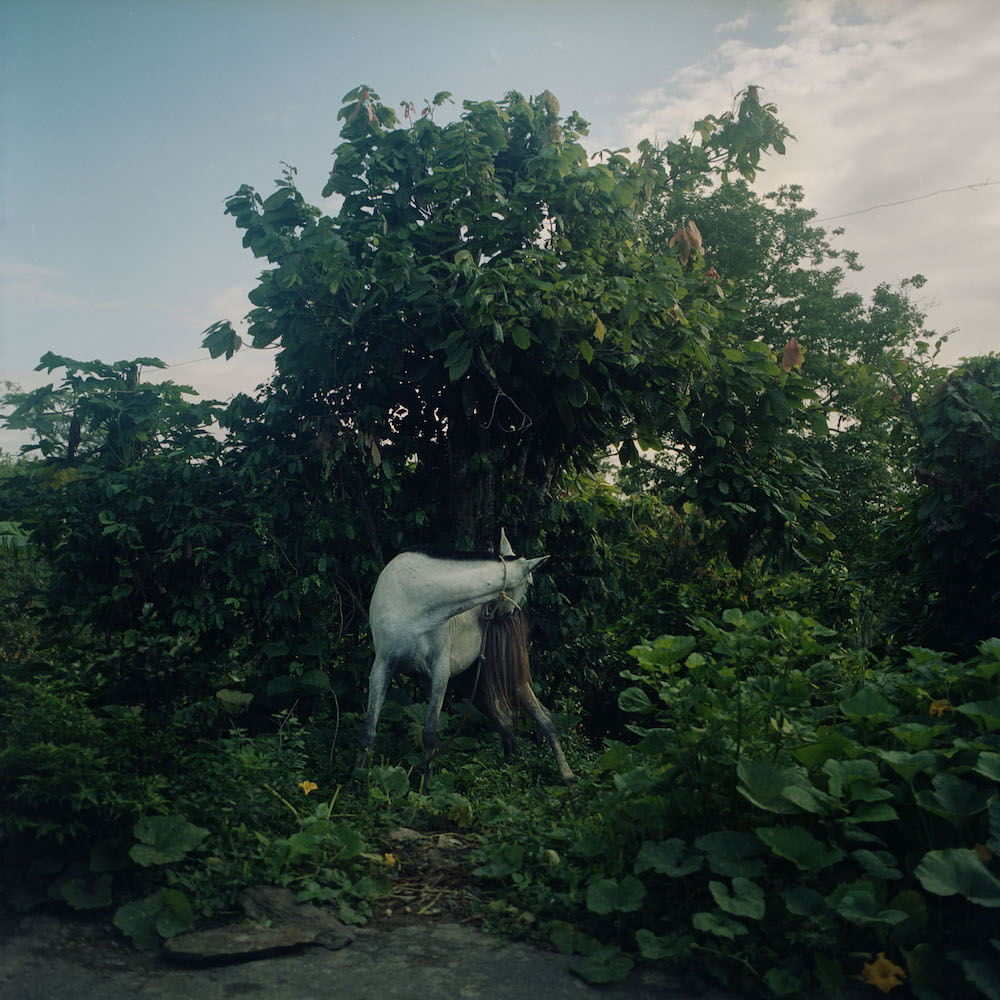
A working horse bites its tail during a break from carrying cocoa beans in a farm in Patanemo, Venezuela, on July 16, 2020. It is owned by the Flores family. They live from the land, since they don’t earn enough to buy food in a supermarket. They trade what they hunt and grow with other people from the area. This image is part of the Mango Season chapter of the project The Nature That Inhabits Us with the collective Ayün Fotógrafas. ©Andrea Hernández Briceño / Emergency Fund for Journalists by the National Geographic Society.

What’s your ethos as a photographer, and what stories do you strive to tell?

The stories that move me the most are the one’s where I can clearly convey the dignity of the people that I’m portraying. I believe that this connects the audience to the people portrayed and feel very satisfied when I think I’ve achieved it.

I’m a storyteller and one of the biggest and most transversal stories now is food insecurity. It affects more than 90% of Venezuelans. 

Can you give some more context into the mango season in Venezuela, how is it celebrated?

The mango season lasts about four months and during this time, people have a little bit of food guaranteed. It is not exactly celebrated because we used to think of the mango season as a problem: when they fell, they could break a windshield or dent the hood of a car, they also rotted on the floor and brought flies and disease. But today, its meaning is changing to something good. They don’t rot anymore on the floor because there’s always someone that picks them up.

Luis Alfredo Flores, 11, poses for a portrait in a cocoa farm in Patanemo, Venezuela, on July 16, 2020. This land is worked by his family. They live from it, since they don’t earn enough to buy food in a supermarket. They trade what they hunt and grow with other people from the area. This image is part of the Mango Season chapter of the project The Nature That Inhabits Us with the collective Ayün Fotógrafas. ©Andrea Hernández Briceño / Emergency Fund for Journalists by the National Geographic Society.

How has mango season changed over time, has it been affected by climate change and the pandemic?

Climate change hasn’t affected the mango season very much. These trees actually bear fruit during the dry season.

For the last six years, the mango season has changed its meaning into something good because of the social, political and economic crisis. So when the pandemic began, it just felt as if another element was added to the whirlwind of terrible living conditions (we also have fuel shortages now, ironically in an oil producing country). But it shifted my perspective and made me think of a different way to make this abstract story into something visual: it made me look for moments that showed the beauty, strong will and dignity of Venezuelans in this adverse situation.

Do you have any personal anecdotes or stories to share about mango season?

At the beginning of the pandemic, everything stopped. It felt as if we were suspended in the air. There was so much free time. So I went almost every day at my parents house. They have a big backyard with mango trees and they had just put some seeds for grass. I talked a lot with my dad; about love, family and expectations. We sat there drinking coffee or something stronger in the afternoon, watching the grass grow. Literally.

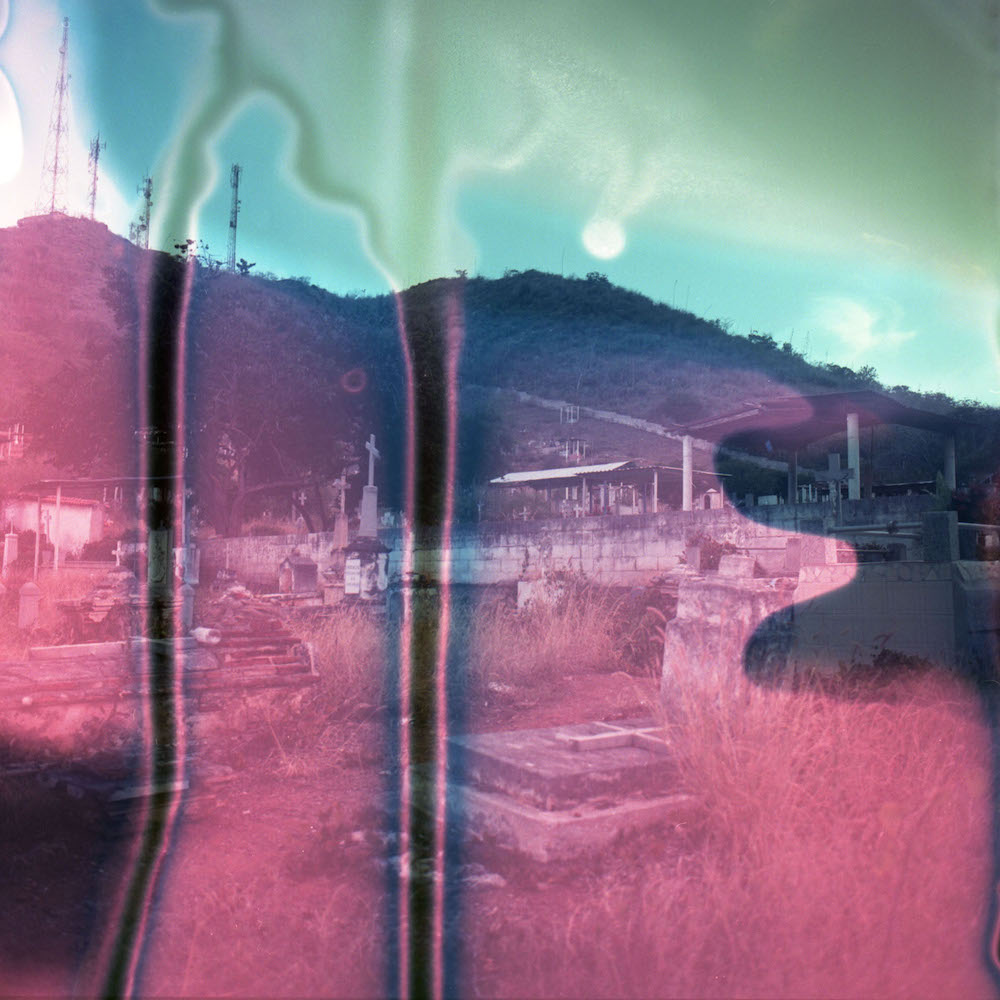
The Choroni cemetery in Venezuela, on January 30, 2021. This photograph (a damaged negative, a happy accident) This image is part of the Mango Season chapter of the project The Nature That Inhabits Us with the collective Ayün Fotógrafas. ©Andrea Hernández Briceño / Emergency Fund for Journalists by the National Geographic Society.

In terms of your imagery, from what I’ve gathered you’ve shot in quite a colourful and joyous manner – which is a contrast to the important topics addressed. Is this intentional, perhaps to make harsher topics more digestible?

The collective imagery of Venezuela is quite different to this body of work. My country is almost always portrayed as a sad, miserable place because there is a crisis going on. I’ve also added to this imagery because it is real, necessary and important for our history. But I also think that it is essential to show the in-between moments of calm, joy and connection. It is a different way to portray our humanity. I think it makes the audience feel a little bit closer to us because they can see themselves in the magic of everyday life and nature.

As your work’s now part of the Latin American Foto Festival, what do you hope to achieve? What can the audience learn about Venezuela, nature and the environment?

Being part of this festival has been a dream of mine since I came four years ago. I thought it was an amazing way to bring the power of photography into a community. With this work I hope to broaden the horizons of the people that look at Mango Season. I wish to make it easier to recognise the humanity in others, even if they are in far away places. And I also hope to bring the people that I photographed In Caracas, Patanemo, Choroní, San Antonio de Los Altos and Chuspa closer to the people in The Bronx and the US. It’s just a dream, but I think it can come true because my dream of exhibiting at this festival came true.

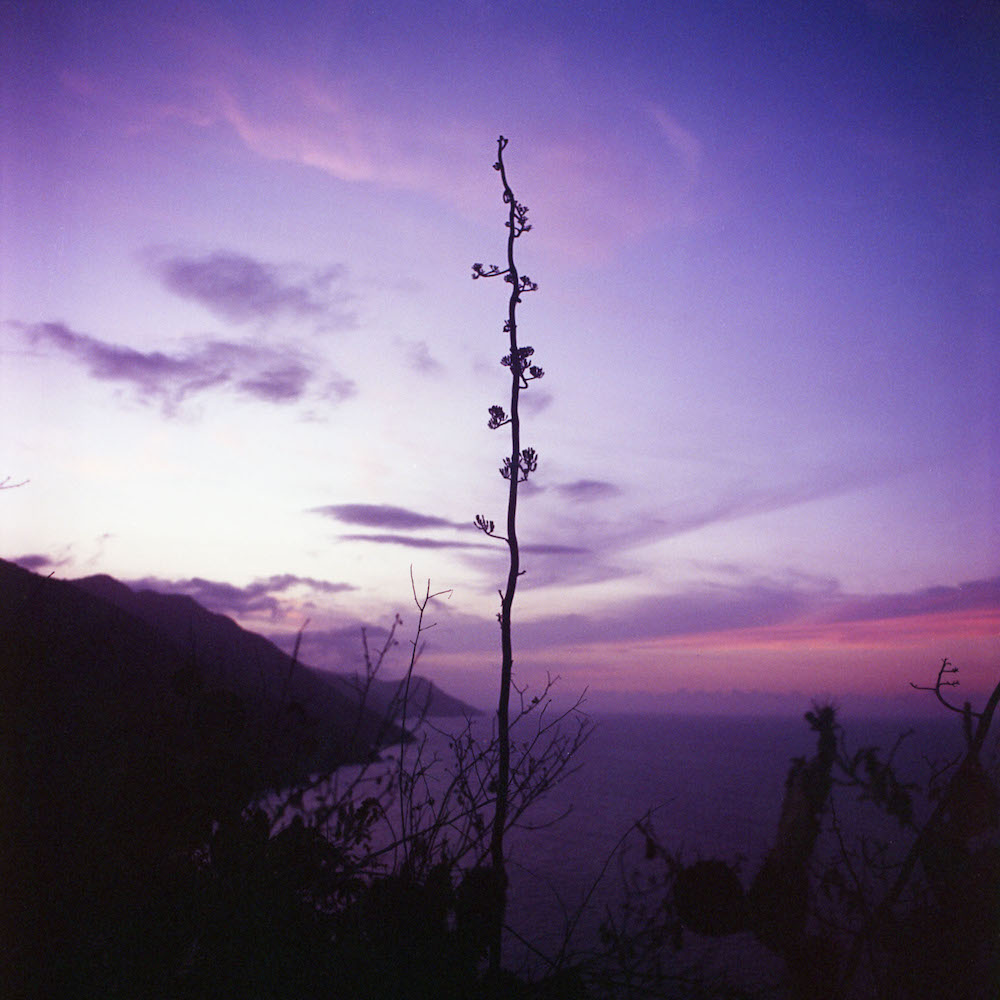
View from the highest mountaintop in Choroni, Venezuela, on January 30, 2021. This image is part of the Mango Season chapter of the project The Nature That Inhabits Us with the collective Ayün Fotógrafas. ©Andrea Hernández Briceño / Emergency Fund for Journalists by the National Geographic Society.
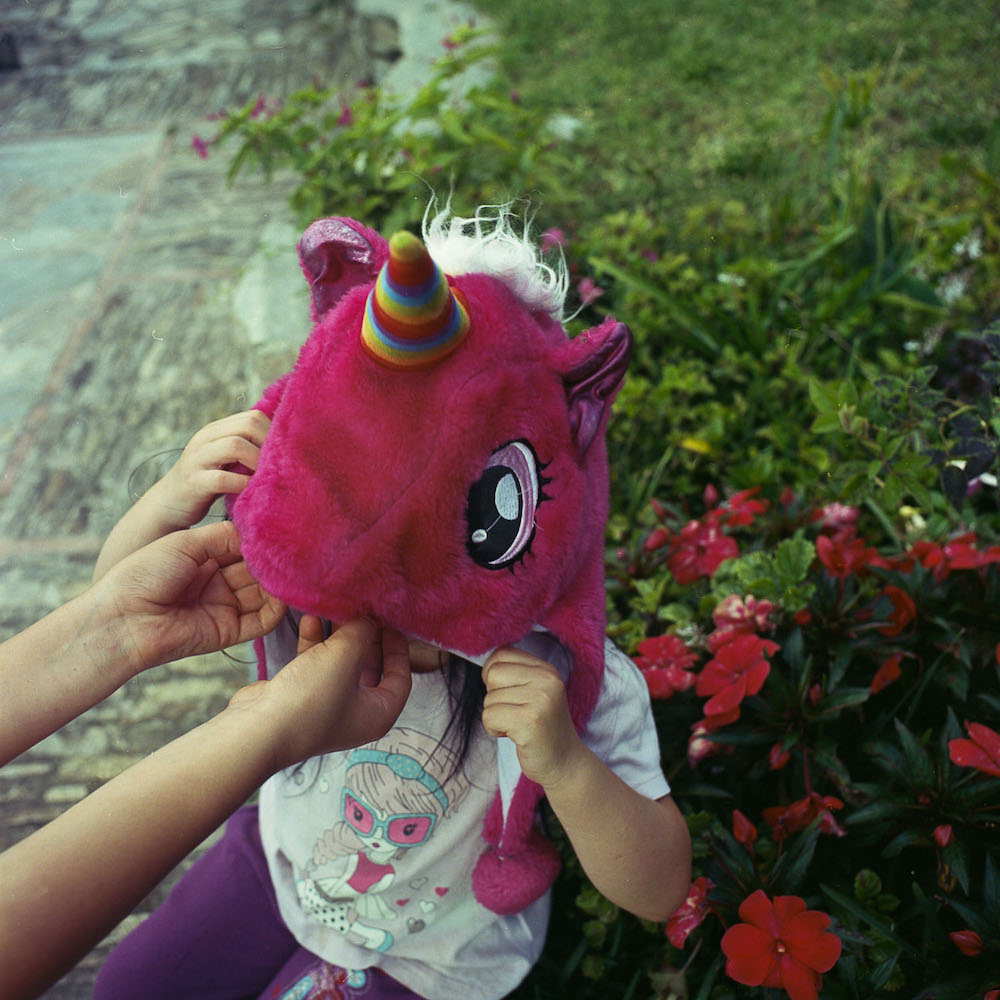
A girl straightens her little sister’s unicorn hat in Galipan, Venezuela, on October 4, 2020. This image is part of the Mango Season chapter of the project The Nature That Inhabits Us with the collective Ayün Fotógrafas. ©Andrea Hernández Briceño / Emergency Fund for Journalists by the National Geographic Society.
A fisherman sits on the “malecón” in Choroní, Venezuela, on January 31, 2021. This image is part of the Mango Season chapter of the project The Nature That Inhabits Us with the collective Ayün Fotógrafas. ©Andrea Hernández Briceño / Emergency Fund for Journalists by the National Geographic Society

Zenker, by Yana Wernicke and Jonas Feige

A new book published by Edition Patrick Frey looks at the life and legacy of Georg August Zenker, a German botanist and gardener 

der Bipindihof bei Nacht

Botany, by definition, is the study of plant life and biology. And those who take up the title of a botanist therefore seek to understand the science of this field, studying all sorts from flowers and fruits to plants, fungi and algae. Some of the earliest moments in botany hark back to herbalism and humanity’s efforts (and success) to identify medicinal, edible and poisonous plants, while later times ensued a western desire to collect and preserve botanicals for science, technology and knowledge. It also has a rich history in colonialism, too, where in the early modern world, botanical science was vital to the economy, and the environment was harvested and exploited for monetary gain. 

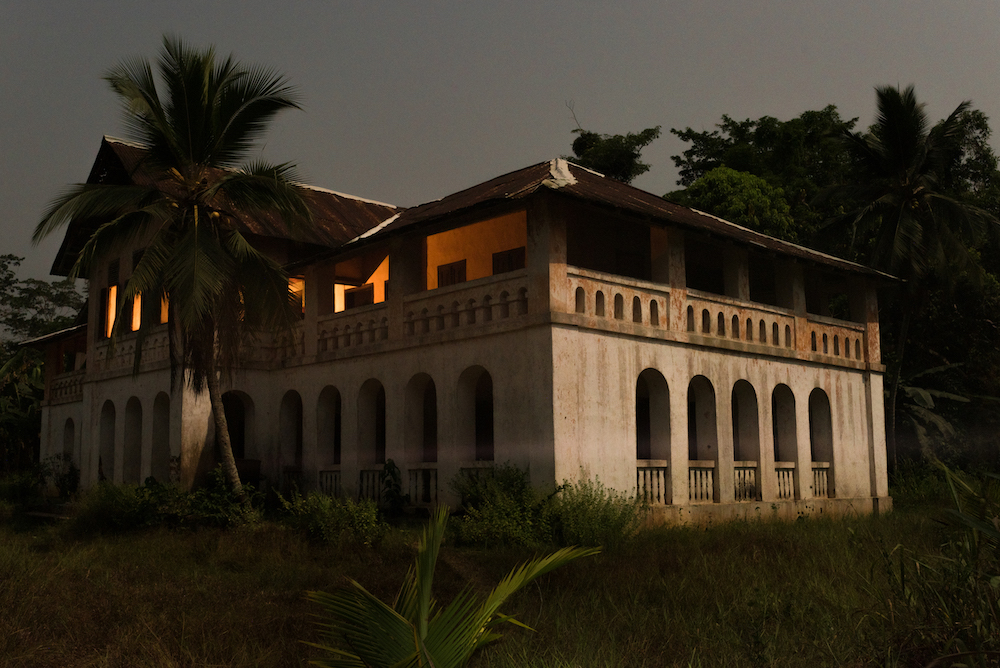
Georg August Zenker is a widely known name in the natural sphere. A German gardener and naturalist, he worked at the botanical gardens in Leipzig and Naples before travelling as a researcher to Africa in 1886 on behalf of the Italian government. He was also a colonial servant, put in charge of the Sibange Farm, and later worked as a preparator – responsible for the installation and de-installation of museum exhibitions – at Yaoundé Station in Cameroon, during which he would collect and cultivate native plants. According to the paper Zenker, Georg August (1855-1922), he was the only European on the Yaoundé Station, and he was cut off from outside contact due to hostilities between tribes of the Botanga coast and those of the hinterland (a German word for a settlement behind a coast or shoreline). In 1895, he quit the colonial service to return to Germany, but it wasn’t long until he returned back to Cameroon as a private citizen, founded a plantation and colonial-style house in Bipindi and grew coffee, cacao and rubber. In 1922, he passed away from problems with his kidneys.

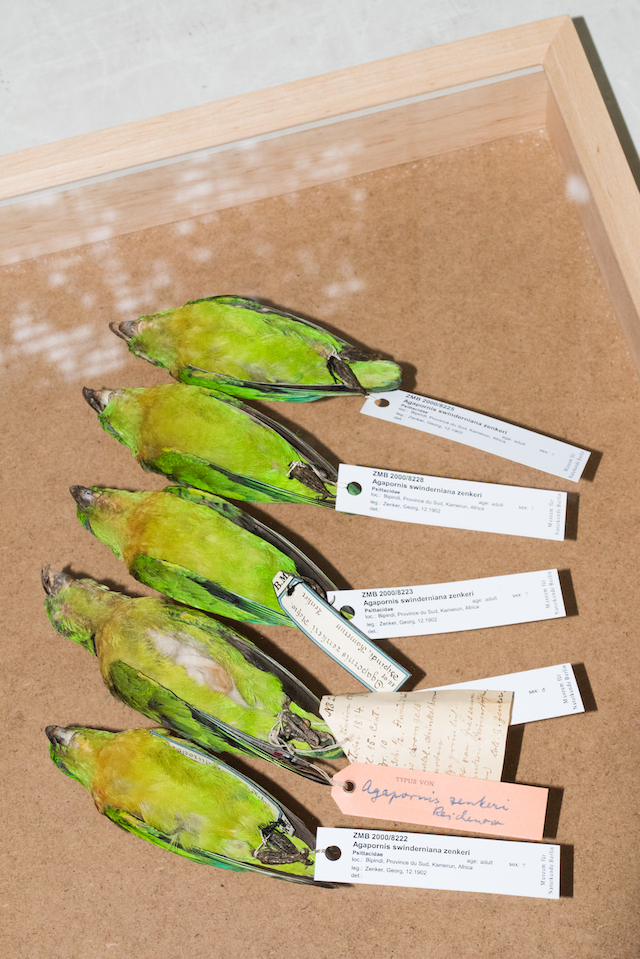
Zenker left behind a legacy in the natural world (some of which is controversial), and his time spent in Cameroon involved collecting botanical, zoological and ethnographic items, which were then transported back to the western world in a number of Museums, mostly in Germany. He gained wide recognition for his work, and various African plant species were named after him, such as Agelaea zenkeri G. Schellenb., the Anthericum zenkeri Engl. and the Diplazium zenkeri Hieron. But it’s not just the fauna and species that bare his name years after his passing; he’s known to have lived a polygamous life at the station with several African women, some of whom had his children.

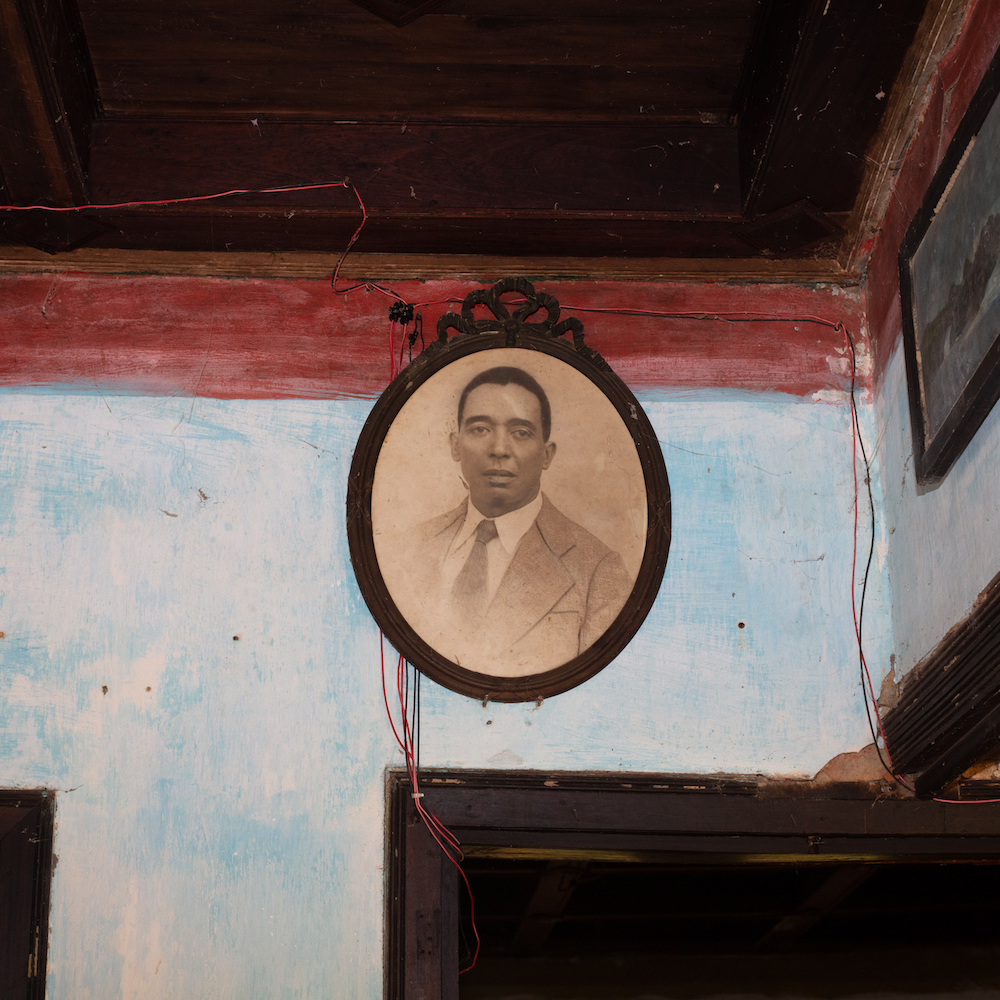
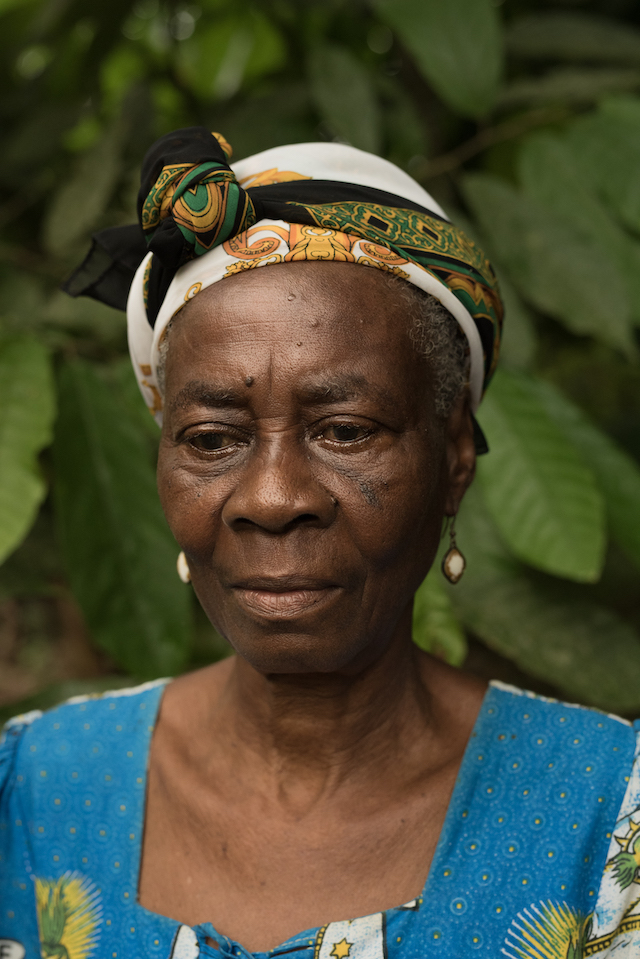
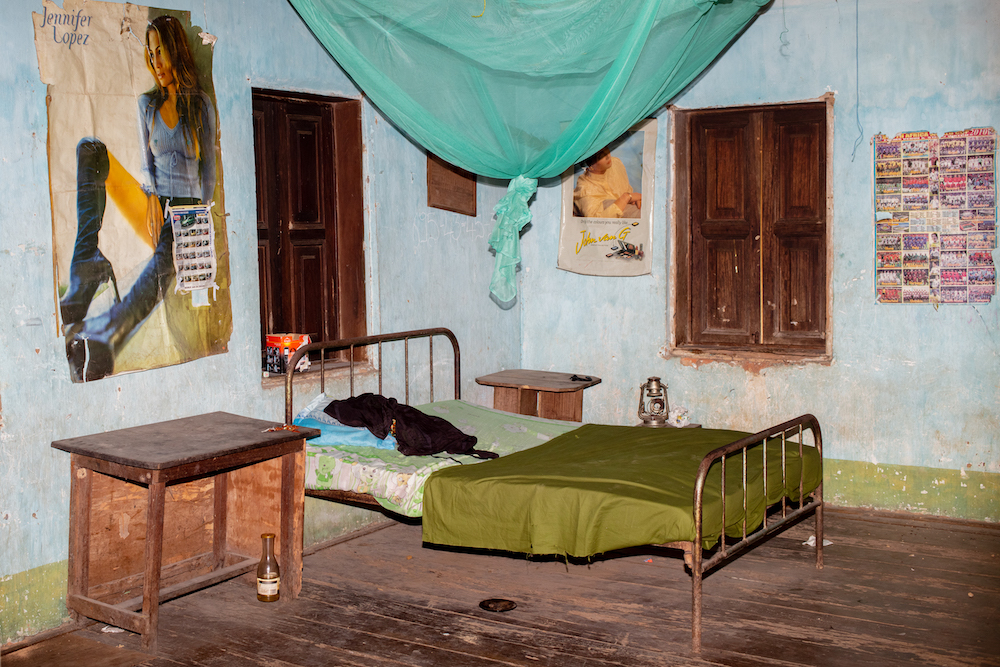
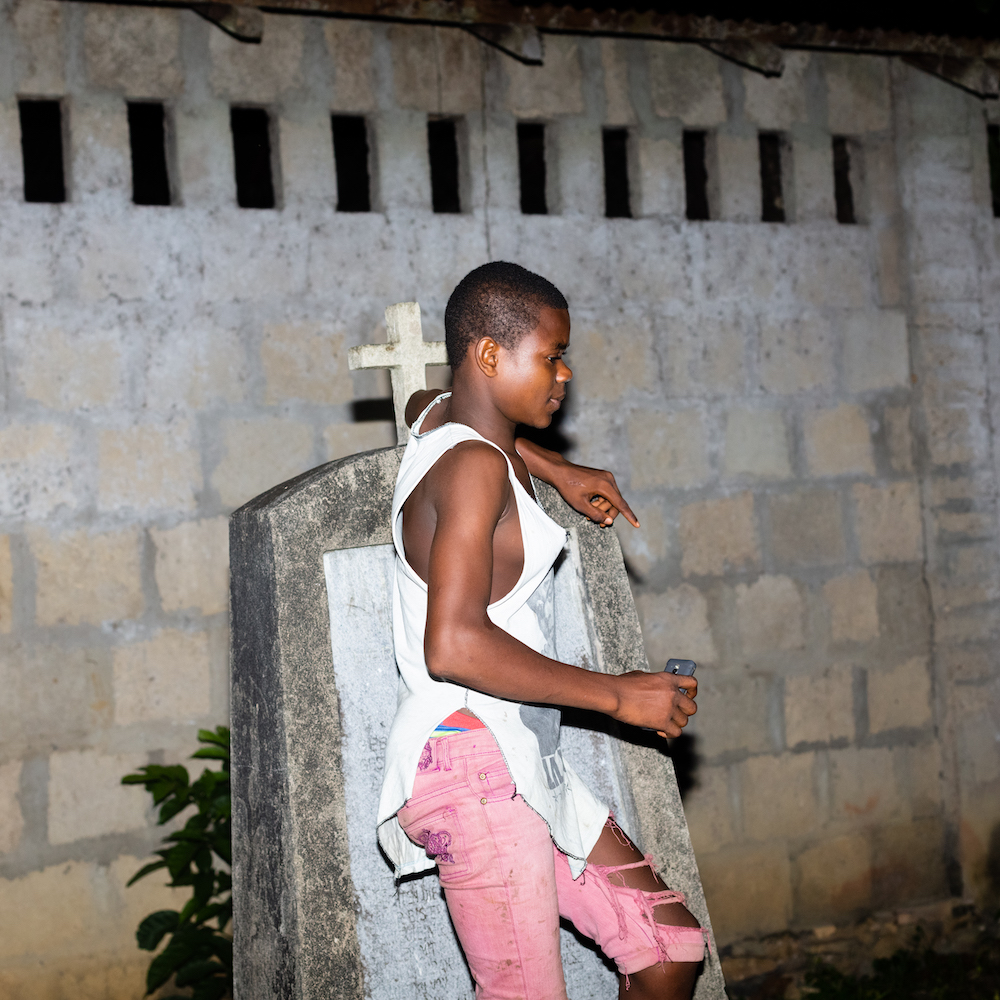
And now, his name and life has become the subject of a new book Zenker, created by two Berlin-based photographers Yana Wernicke and Jonas Feige, and published by Edition Patrick Frey. Looking at the history and repercussions of the German botanist and gardener, the project came about following an enduring interest in the topic. Yana, for example, had visited Cameroon for several months after school, which is where she became aware of Gorg and thought to focus her graduation project on his story while they were both still studying photography. “In 2013, we went to Cameroon and met the Zenker family for the first time,” says Yana. “We quickly realised that the story was too intricate and complex for a graduation project.” In 2016, the duo had visited the Zenker family once again in Bipindi and decided to take things further. “We were fascinated by Zenker and the contradictions both within his person as well as his actions. We were curious to visit his villa and meet his descendants, who still proudly carry the Zenker family name.”

Proceeding to photograph Gorg’s family in parts of Cameroon, Belgium and Germany, Zenker compiles real-time imagery of the present day along with interviews with his descendants, a biography of Zenker, as well as materials from Berlin museums and letters that Zenker had sent to Paul Matschie between 1896 and 1920 – Paul is the director of the mammals department at the Berlin Zoological Museum and one of the main purchasers of Zenker’s collections. “These letters near perfectly cover Zenker’s time at the Bipindihof, from its construction up until Zenker’s death there in 1922,” explains Jonas. “In the book, they are interspersed with out photographs from present day Bipindihof, paralleling two narratives that share the same place but have happened at very different times.”

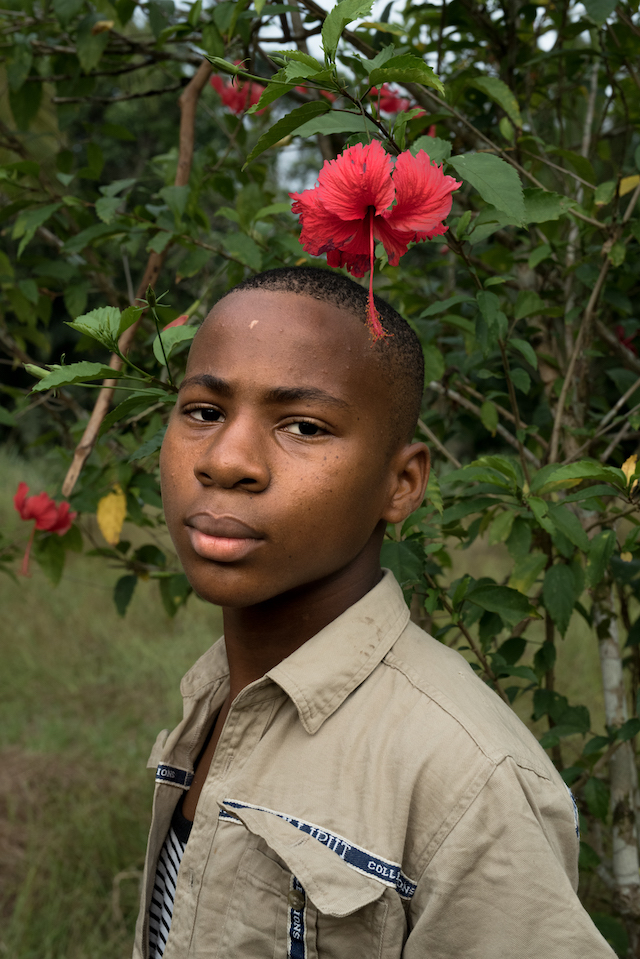
Portrait of Jinior Zenkers

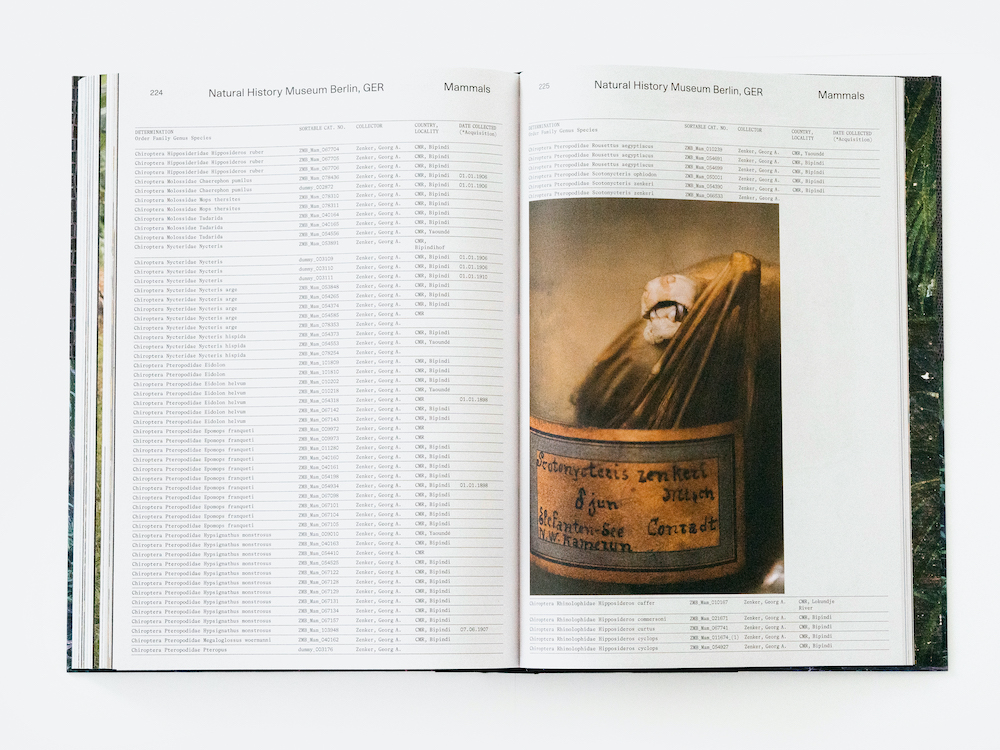
In terms of the museum tables specifically, this archival addition illustrates the many items he preserved over the years, some of which bare his title and can be viewed in museums today. In Zenker, these tables only depict a fraction of the work that Zenker had collected: “The lists raise many important questions about colonial booty, provenance, restitution and ownership,” notes Yana. Recent times have addressed these questions in the many, with the likes of Jonathan Jones penning in the Guardian how British museums “cannot any longer coldly keep hold of artistic treasures that were acquired in dubious circumstances a long time ago.” These lists in Zenker are not exhaustive yet still remain astonishingly large, depicting not only the collection (or smuggling) of plants and species taken from their native habitats, but also the killing of animals to then be prepped and sent off to be cased in museums. It’s a reminder of this period in time, detailing the extent to which colonialism and its violent, wealth and knowledge-craving ways were perpetuated throughout Europe.

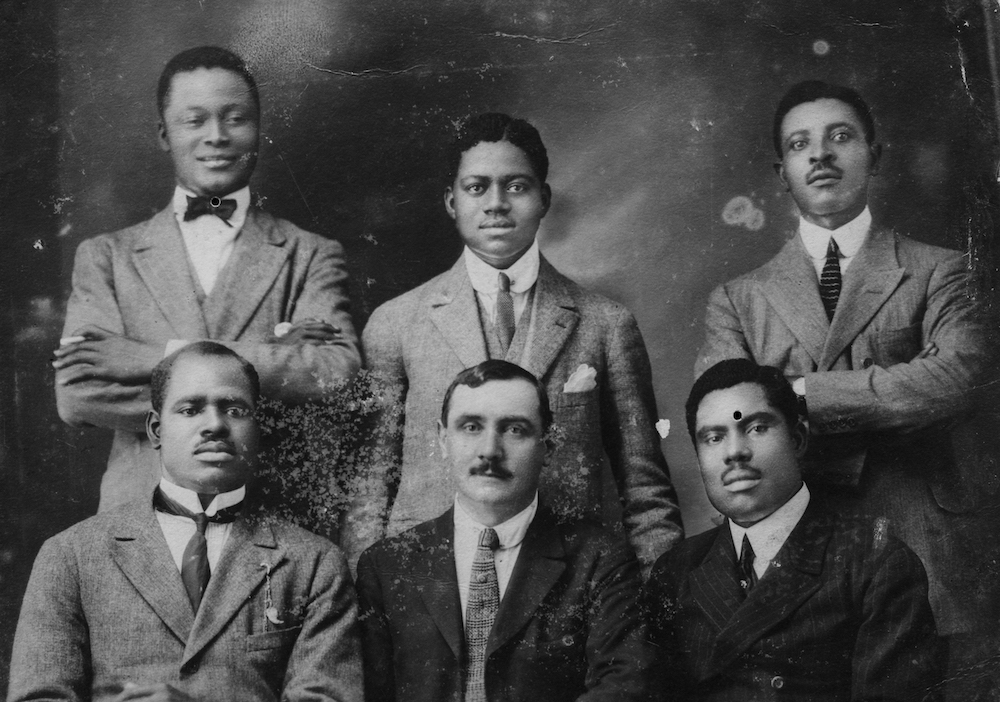
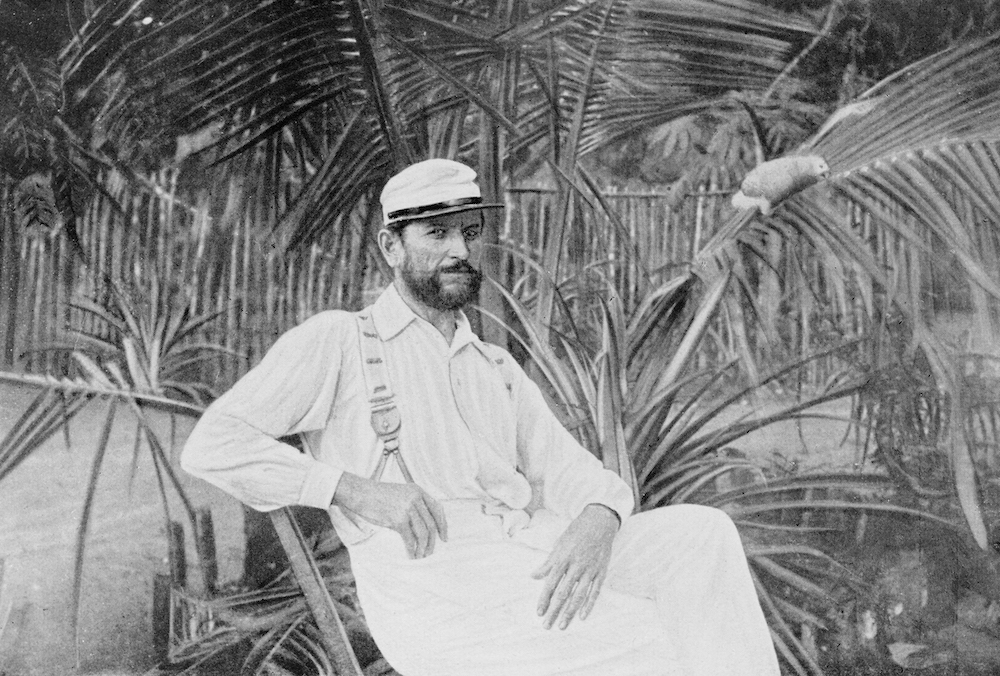
Other pages of the book are more illusive than factual; there’s a photograph which apparently shows Zenker posing with a group of Cameroonian businessmen. “Most of the photographs we knew of Zenker were of the typical colonialist sort, depicting him, as the superior human being to the Cameroonian workers surrounding him,” adds Jonas. “We were fascinated by this image because it seemed to subvert those depictions of power. We later learned that the man in the photograph might not actually be Georg AUgust Zenker, but that this might be wishful thinking on the part of the Zenker family. In the book, we included the photograph regardless and contrasted with other photographs of Zenker so that the viewers themselves might decide to enjoy the fact that this question might not be answerable or that a definitive answer might not actually be desirable.”

This picture in some ways sets the tone for the entirety of the project. It may or may not be a picture of Zenker, and it leans onto the idea that there’s still so many unanswered questions about him, his legacy and the work he occupied. Not to mention the fact that colonial history is so intrenched in the timeline of botany that it begs to question where we would be without it (for the better?), and that the aftermath of its antics are still being felt today. “Having worked on this project for a number of years and still wanting to look into every detail of the story, we realised at some point that we would never be able to understand everything,” shares Yana. “In fact, some of the enigmas and paradoxes we encountered are now an integral part of the project. In many ways, the book is about highlighting the many open questions rather than giving definitive answers.”

“Germany’s colonial history has not received a lot of attention in the past,” concludes Yana. “Up until a few years ago, most Germans would not have known that Cameroon was once a German colony and we are glad to see that the discourse on these matters has reached a new level in the last few years. With our project, we hope to bring attention to the fact that there are still very real consequences of German colonialism and that these consequences need to be examined in detail and in all their complexity.”

Portrait of Ndzie Marie-Thérèse Zenkers